Why AI Chatbot matters in healthcare marketing
Most patient inquiries arrive outside of clinic hours — late at night when a worried parent is searching symptoms, or on a weekend when your front desk is closed. An AI chatbot is the difference between capturing that intent in the moment and losing it to the next clinic that answers first. Because it never sleeps, never gets flustered, and handles dozens of conversations at once, it closes the response-time gap that quietly drains a practice's pipeline.
The deeper value is that a chatbot is the first qualification layer in your funnel. It can ask the right intake questions, route a chest-pain message to a call-now flow while parking a routine cleaning request in a booking link, and hand the human team a warm, pre-filled lead instead of a cold one. In healthcare it also carries real responsibility: it must avoid giving clinical advice or diagnoses, stay compliant with privacy rules, and know when to escalate to a person.
How AI Chatbot works in practice
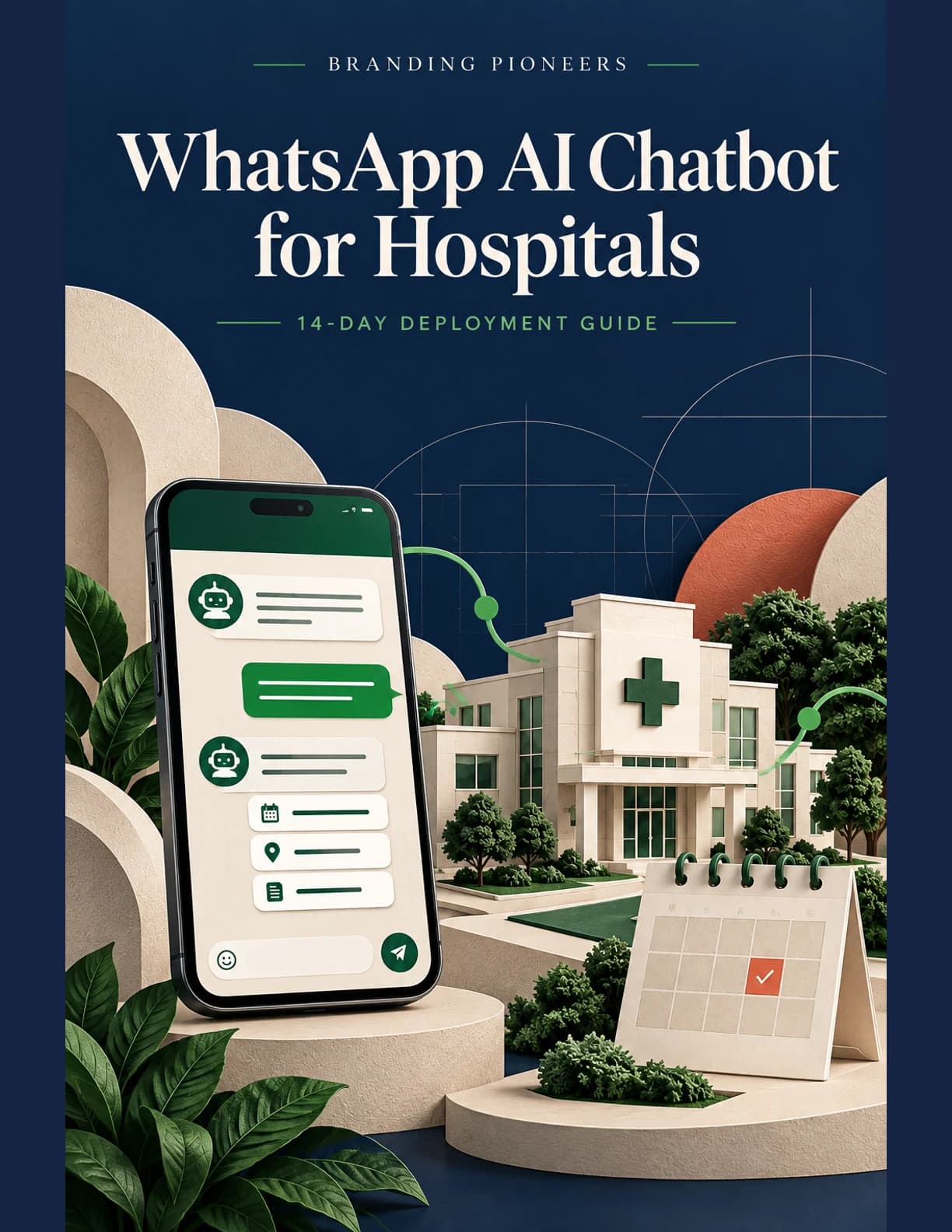
A healthcare chatbot lives on your website, WhatsApp, or Facebook/Instagram messaging and follows guided conversation flows backed by a language model.
- It greets the visitor, identifies intent (book, ask a question, reschedule, billing), and asks structured intake questions.
- It answers FAQs from an approved knowledge base — hours, location, insurance accepted, pre-appointment prep — without improvising clinical advice.
- It books appointments by connecting to your calendar or scheduling system, then writes the lead into your CRM.
- It applies guardrails: emergency keywords trigger a "call now / call emergency services" response, and anything beyond its scope hands off to a human with the conversation history attached.
- It captures consent and contact details so follow-up nurturing can begin even if the visitor does not book on the spot.
A worked example
Imagine a multi-specialty clinic whose website chat opens at 11pm to a visitor typing "do you treat knee pain." The bot confirms the orthopedics department handles it, asks how long the pain has lasted and whether there was an injury, checks which insurance the patient carries, and offers the three nearest open slots. The patient books a Thursday morning consult, and by the time the front desk logs in the next day the appointment is already on the calendar with intake notes attached — no phone tag required.
Frequently asked questions
Can an AI chatbot give medical advice to patients?
It should not. A well-configured healthcare chatbot answers logistical and educational questions, but routes anything clinical to a qualified human and shows emergency instructions for urgent symptoms. Letting it diagnose creates real liability and compliance risk.
Will a chatbot replace my front-desk staff?
No. It absorbs repetitive, after-hours, and high-volume inquiries so your team focuses on complex calls and in-person care. Think of it as a tireless first responder that hands qualified, pre-filled conversations to humans.
Is a chatbot compliant with patient privacy rules?
It can be, if you choose a platform that supports secure data handling, limits what it collects, captures consent, and stores conversations in a protected system. Compliance depends on configuration and the vendor, not the technology alone.
Related terms
Keep reading: Lead Scoring, Marketing Automation. Each connects to AI Chatbot in a real workflow, not just by category.