
 Client work
Doctor-led video & patient education
Medanta Hospitals
A collection of specialist-led video content and healthcare campaign creative, bringing medical expertise into recognisable branded formats.
Identity guidelines, social applications and kidney-care awareness creative from the Aster portfolio, with its distinctive green and navy visual language.
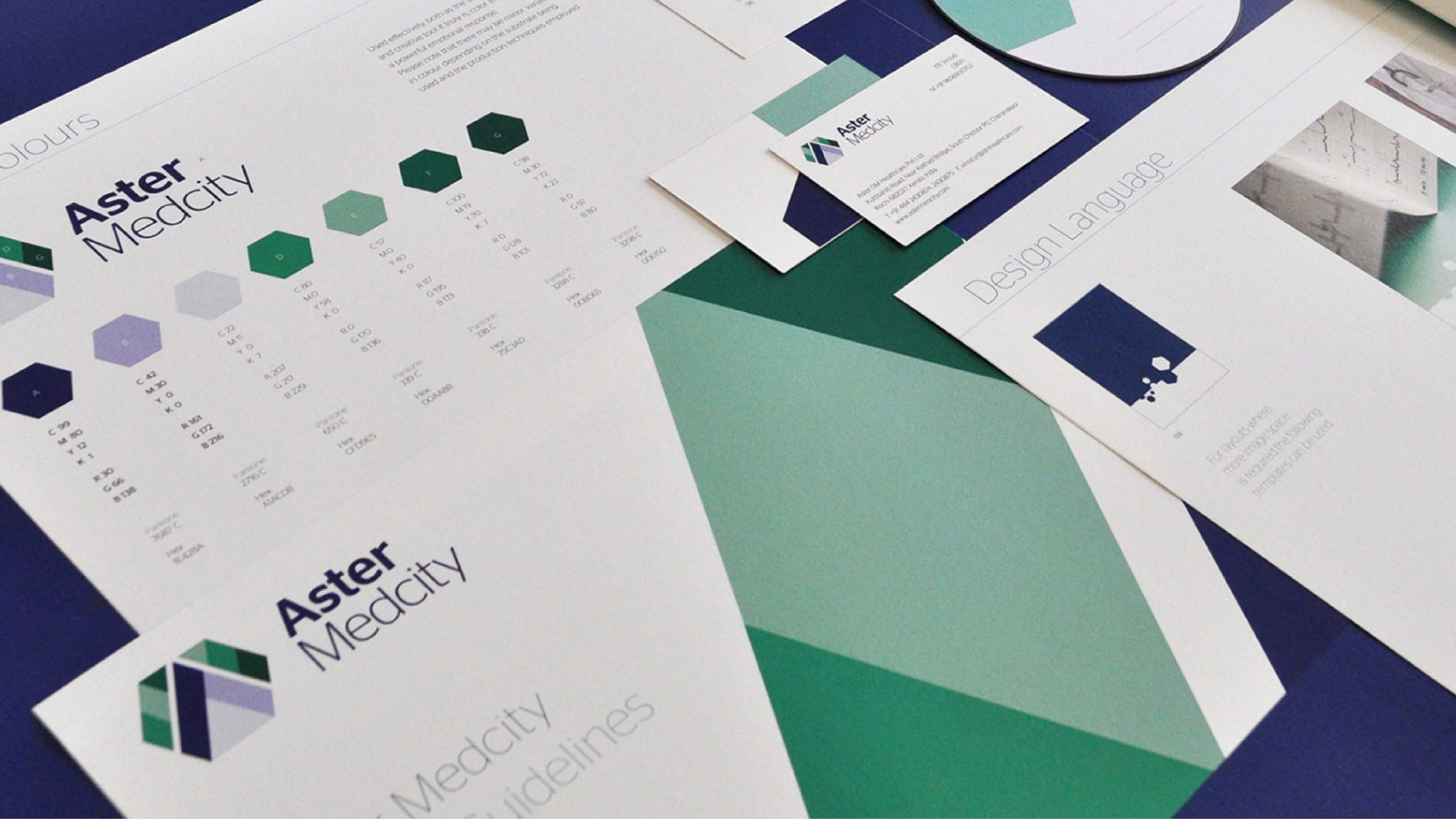
The work
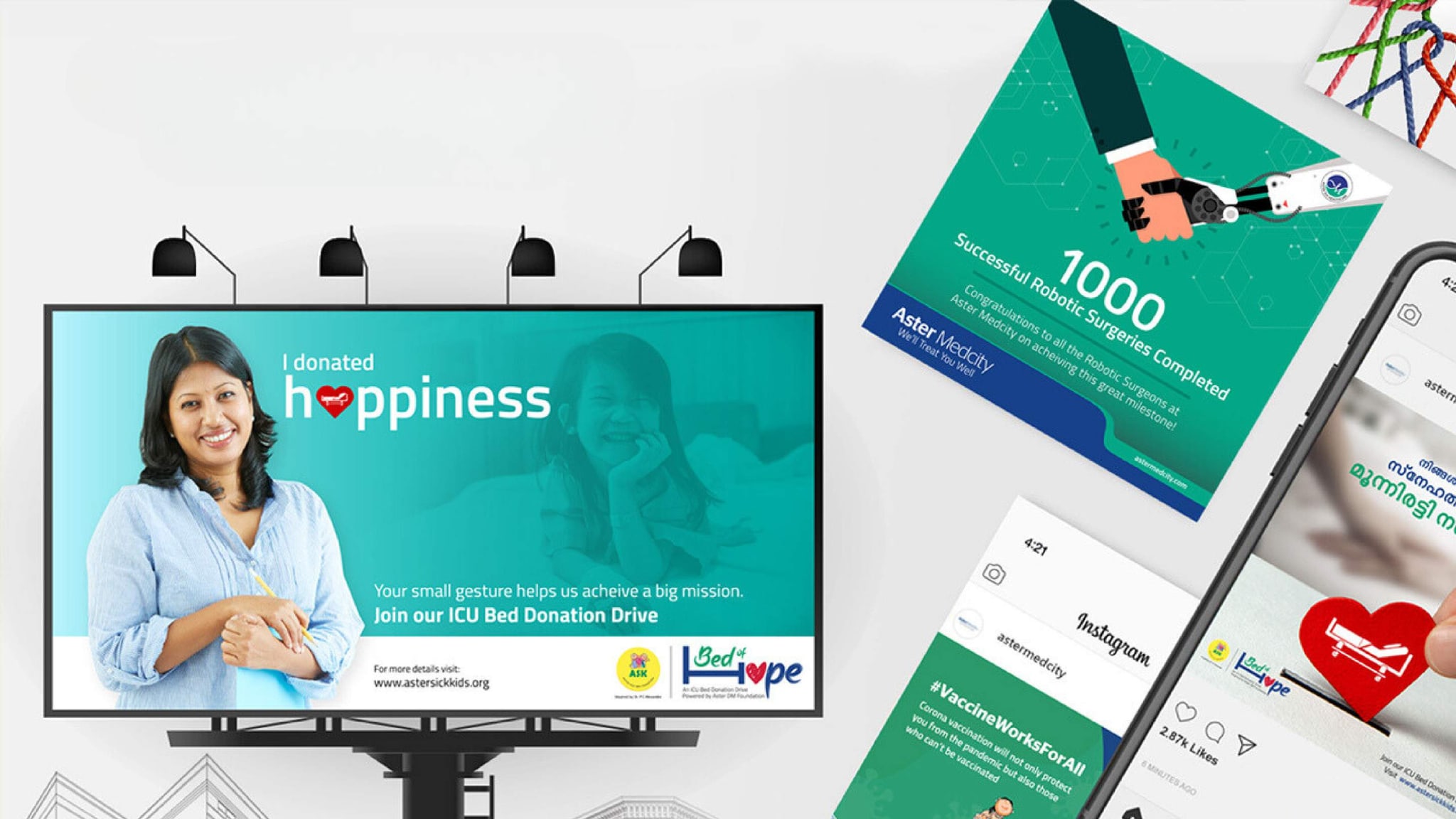
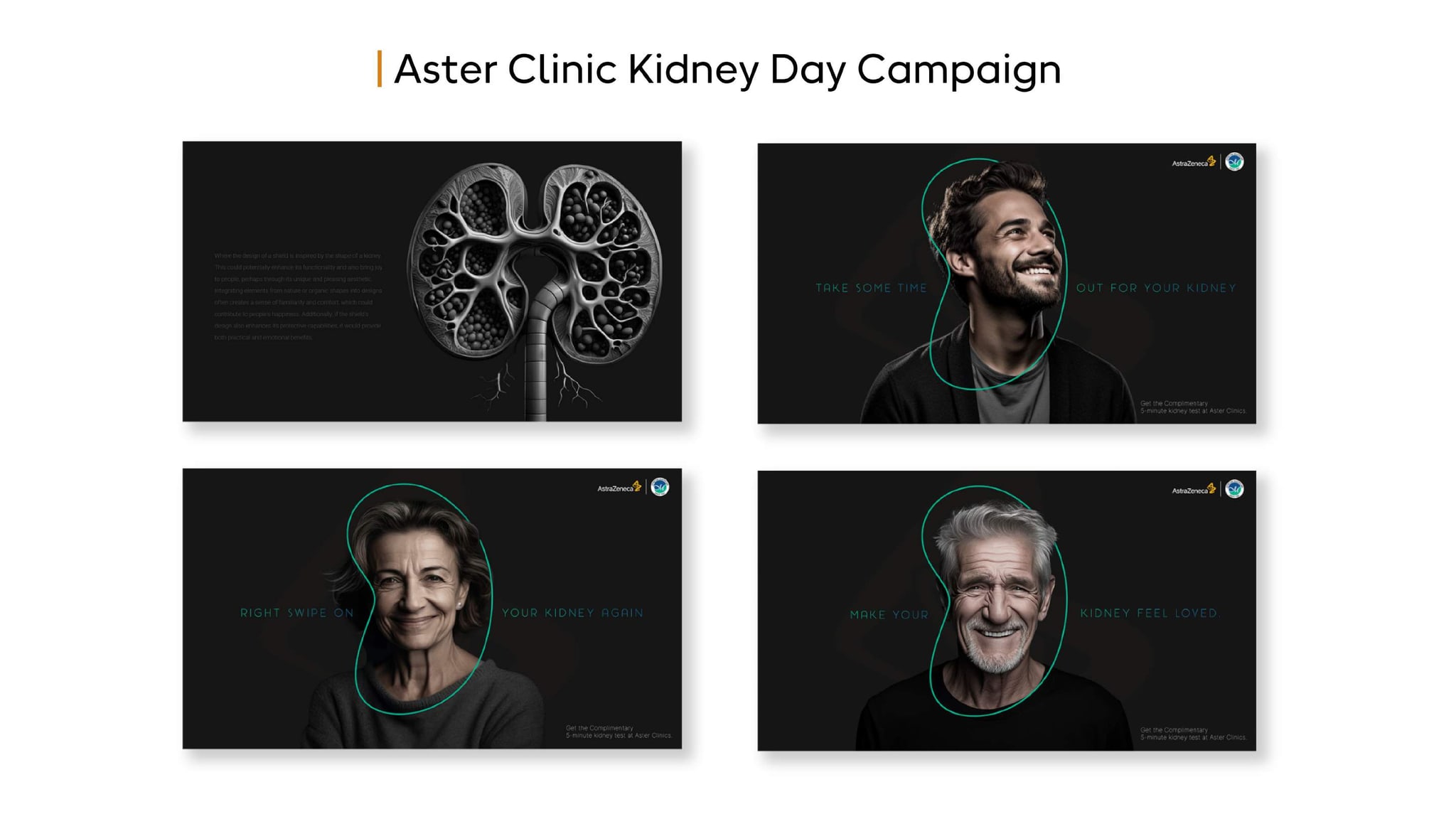
Scope
A note on this collection
The identity materials are labelled Aster Medcity. The linked case file covers the wider Aster DM Healthcare programme.
Want work like this for your hospital or clinic?
Discuss your projectClient portfolio
Client workDoctor-led video & patient education
A collection of specialist-led video content and healthcare campaign creative, bringing medical expertise into recognisable branded formats.
 Client work
Digital content banners
Illustrated content banners connecting medicine delivery and online consultation with a consistent Tata 1mg campaign message.
Fertility specialist brand & content
A doctor-brand programme combining fertility education, search, paid media and social content across the patient decision journey.
Discuss your project
Three quick questions. We come prepared with a plan for your specialty and city.

 You’ll speak with a senior strategist
Hospital work like this
Programmes for large hospitals combine healthcare SEO, performance ads and social media, coordinated across departments by the hospital marketing system. International patients add medical tourism marketing and multilingual SEO.
The Aster DM Healthcare case study and the hospital case studies show results, and the hospital marketing guide explains the approach.
Practical notes & supporting evidence
Start hereAster Medcity
Establish contextUse the published scope and relevant source material
Choose the next stepFollow the linked resource and assign an owner
Identity guidelines, social applications and kidney-care awareness creative from the Aster portfolio, with its distinctive green and navy visual language. The published discipline is Brand identity & healthcare campaigns. The collection covers Visual identity applications; Social campaign design; Health-awareness creative. Read that scope together with the original asset captions to understand which parts of the programme can be inspected here. The identity materials are labelled Aster Medcity. The linked case file covers the wider Aster DM Healthcare programme.
The public collection contains 3 image items: Aster Medcity · Identity applications and visual guidelines. Aster Medcity · Social and campaign applications from the existing portfolio. Aster · Kidney-care awareness campaign.. Open each image at full size before reviewing the design. Keep mixed-client sheets labelled as mixed-client material, and distinguish an identity application from a report of campaign performance.
Multi-specialty providers need a consistent brand while preserving accurate department, clinician and location information. Map the enquiry to the department capable of answering it and identify who maintains those details. A central publishing system is useful only when local service changes can be reflected reliably. For an initial review, test the journey for a small number of high-priority departments before treating the homepage as representative of the whole hospital experience.
Healthcare identity design extends beyond the logo. Patients encounter appointment reminders, reception signage, folders, forms, brochures and digital pages during the same relationship with a provider. A coherent system makes those materials recognisable and easier to navigate. Review the hierarchy of the provider name, service information, contact details and any instructions a patient needs. Consistent colours and type treatments help the materials belong together, but clarity should determine the layout of practical information.
Inspect identity applications at the size and in the environment where they will be used. A brochure spread has different constraints from a mobile post or a sign viewed at a distance. Include long doctor names, multilingual text and location details in the review rather than only short demonstration labels. Where a portfolio shows stationery or print artwork, treat it as evidence of the visual application shown. Printing specifications, campaign dates and operational use need separate documentation if they are part of a new project brief.
A useful brand brief states which elements already exist, which can change and who approves the result. A new clinic identity, an extension of an established hospital brand and a campaign within an existing identity are different assignments. Collect the current logo files, approved colour values, terminology and examples of existing materials. That makes it possible to distinguish a deliberate design decision from an accidental inconsistency when the work moves across teams and suppliers.
Review patient-facing copy alongside the artwork. Claims, clinician titles, contact details and translations need approval from the people responsible for them. Keep editable source files and a short set of application rules so later materials can follow the same system. The value of the portfolio is in understanding the relationship between message and format. It does not establish a future client’s recognition level or business results, and visual similarity alone is not a reason to copy another provider’s positioning.
Look first at the problem the collection addresses and the deliverables it actually contains. A website study can explain navigation and information hierarchy. A campaign collection can demonstrate how a message moves through different formats. Identity materials can show consistency across print and digital applications. These are useful design references, but each answers a different question. Choose the example closest to your intended task, then identify the parts you want to explore further rather than requesting a copy of the whole collection.
Write a brief that names your provider, audience, services, existing brand constraints and the action the work should support. Include content ownership and the practical destination of contact requests. When several stakeholders approve the work, agree who has the final decision on medical information, design and operational details. The clearer those responsibilities are, the easier it becomes to review a proposed layout without repeatedly changing the underlying service description or appointment process.
Read the collection at its intended size. Check whether the provider and message remain recognisable, whether supporting copy is legible and whether the next action is easy to understand. Look for consistent terminology across individual pieces. For multilingual work, have the wording reviewed by someone who understands the language and the service context. A translated message can change length, reading order and emphasis, so the layout needs its own review rather than an automatic text replacement.
Keep the distinction between independent studio concepts, client deliverables and editorial workflow artwork visible. Concepts explore possible design approaches. Client collections show the materials or engagement scope identified on their pages. Workflow artwork explains a process visually. None of these categories should be presented as an unverified client result. For a new project, confirm the release checklist and measurement plan separately from design approval, and make sure the source files and approval notes remain available to the team responsible for future updates.