How patients actually find hormone therapy providers
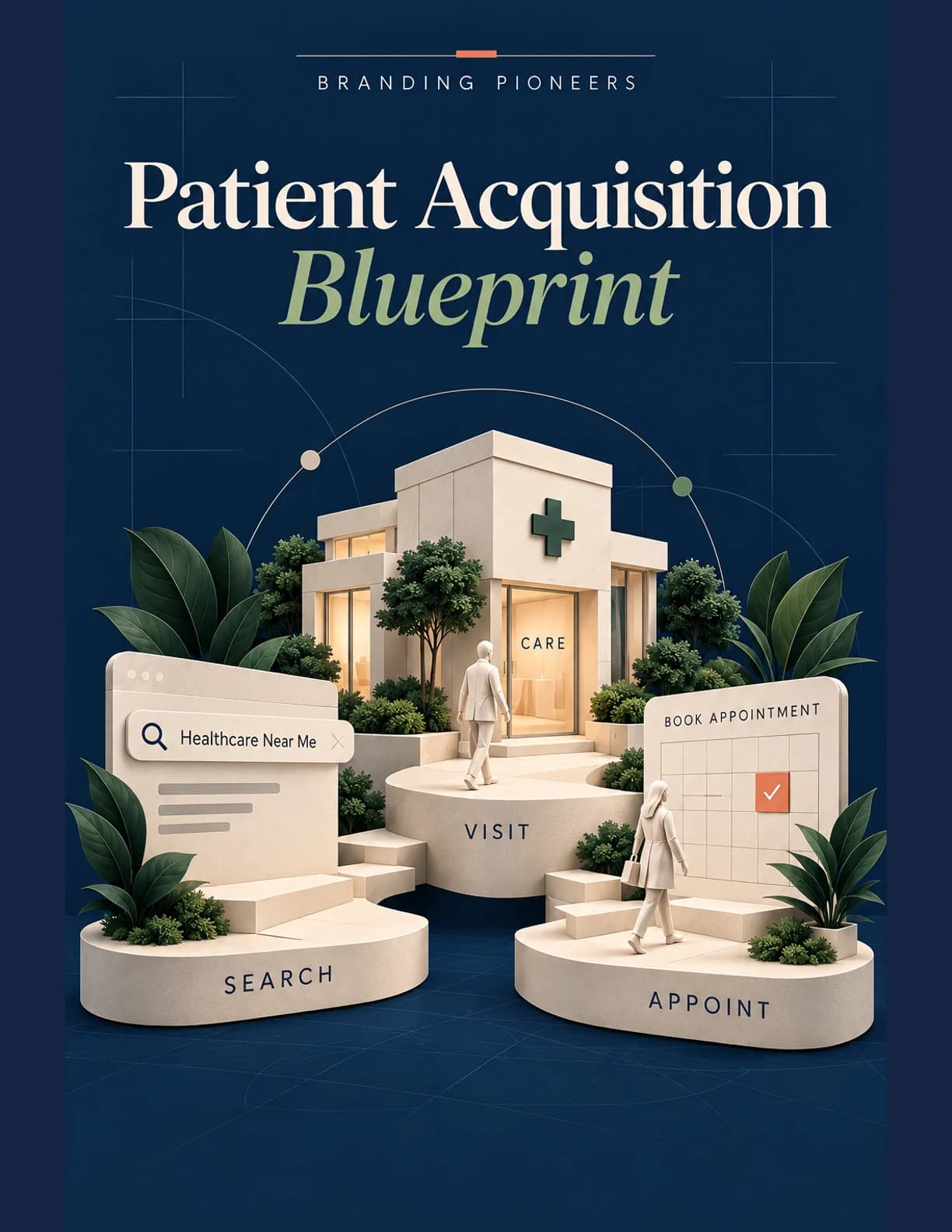
The hormone therapy (hrt/trt) patient journey is aspiration-led, social-proof heavy. 7-30 days for first-time; 1-3 days for established patients. Each stage needs different content, different channels, and a different way to turn interest into a booking — programmes that treat it all as one step do worse.
Patients searching "hormone therapy" or "HRT" know what they want. They want to know whether you take their insurance, how soon they can see a hormone therapy provider, what your reviews say, and — for bigger procedures — what your provider credentials look like. The hormone therapy providers who win here build pages that answer these questions right at the top of the screen.
The mix of channels that pays off for hormone therapy providers
Hormone Therapy (HRT/TRT) marketing lives on visual platforms. Instagram and TikTok are where most new patients first find hormone therapy providers — treatment explainers, process videos, content that shows the provider's personality. Google Search catches the ready-to-book moment ("hormone therapy near me"). Where local law allows (not in India, where NMC 2026 bars influencer promotion of doctors and hospitals, nor cosmetic services in Australia), disclosed partnerships with small creators (10K-100K followers in beauty and wellness) bring in patients who arrive already informed. Membership plans (monthly facials, treatment bundles) change the math entirely — a member is a recurring relationship, a one-off buyer is a single transaction. Reviews are key: a weak rating doesn't make the shortlist here.
What the rules mean for hormone therapy (hrt/trt) marketing
Hormone Therapy (HRT/TRT) ads have specific limits. Botox, fillers, and the like are Schedule H drugs in India — you can't advertise them directly; you can only show where the practitioner is and what they're qualified to do. The NMC's 2026 guidelines also rule out promotional before/after photos, testimonials and influencer endorsements for doctors and hospitals in India. Where other markets allow before/after photos, they must fairly represent typical results, and the US FTC requires verified testimonials with disclosure. We use compliant copy that shows what you can do without making banned claims.
What good looks like in 12 months
A full hormone therapy programme is built to move these things — each measured in your own analytics and shared under NDA, not claimed here as a headline number:
- Search visibility — organic and map-pack coverage built for the searches that matter most ("hormone therapy near me", "HRT near me") across your area
- Booking cost — a lower cost per booked hormone-therapy-provider than where you started
- Conversion — landing pages built to turn searchers into bookings
- Long-term value — patients who come through content and reviews tend to stay longer than those from ads alone
- Day-to-day — faster first replies, fewer no-shows, and more patients coming back
We measure each of these in your own analytics and share them under NDA — we report booked patients and revenue from your systems, not made-up averages.
Why this approach works for hormone therapy providers
Generic healthcare marketing treats all patients the same. They aren't. Patients looking for hormone therapy providers search in their own way, trust different things, face their own rules, and cost a different amount to reach. A programme built for hormone therapy (hrt/trt) brings in more of the right patients at lower cost than a one-size-fits-all playbook spending the same money. That's the highest-payoff choice in healthcare marketing today: pick specialists who understand hormone therapy, not generalists who learn on your budget.