Instagram Is Not Optional for Cosmetic Surgeons
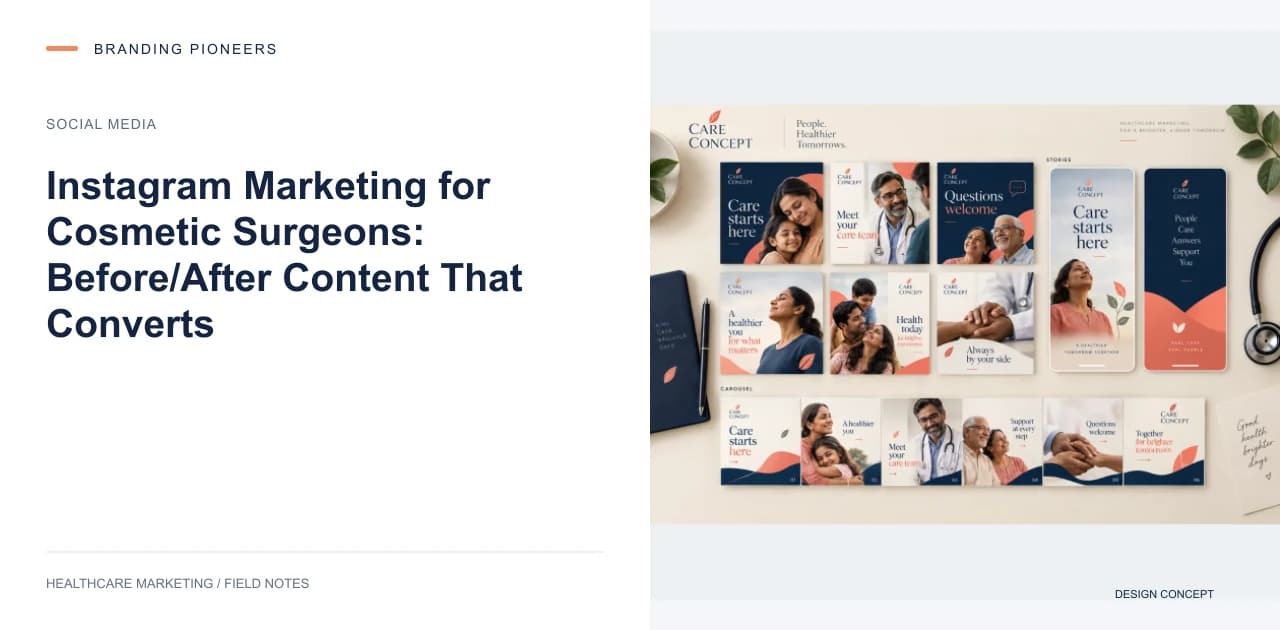
For cosmetic and aesthetic surgery practices, Instagram is the single most effective marketing channel — period. Most cosmetic surgery patients research procedures on Instagram before choosing a surgeon. The visual nature of the platform is perfectly suited to showcasing surgical results, and the algorithm rewards the type of educational and transformation content that cosmetic practices naturally produce.
But there is a wide gap between having an Instagram account and having an Instagram account that drives consultations. The difference comes down to content strategy, visual quality, and conversion mechanics.
Before/After Content: The Foundation
Before/after content is the cornerstone of cosmetic surgery Instagram marketing in markets that allow it. It is the most saved, shared, and conversion-driving content type in the aesthetic space. But execution matters enormously, and so does where you practise: in India, NMC's 2026 guidelines bar doctors from posting before-and-after photos for promotion (para 8.1(v)); in the UK, results for Botox and other prescription-only medicines can't be advertised at all; and in the UAE, health ads need DHA, DoH or MOHAP approval before they run.
Photography standards must be clinical-grade: consistent lighting (natural light or a dedicated ring light setup), consistent positioning (same angle, same distance, same background for before and after), and consistent timing (clearly state how long after the procedure the after photo was taken). Inconsistent photography undermines credibility — it looks like you are manipulating results rather than documenting them.
Include relevant context in every post: procedure type, patient age range and relevant health context (without identifying the patient), timeline between before and after photos, and any complementary procedures performed. This level of transparency builds trust and manages expectations.
Content Types That Convert
Beyond standard before/after posts, these content types consistently drive engagement and consultations.
Procedure walkthrough Reels: 60 to 90 second videos showing what a procedure involves, from consultation through recovery. These dramatically reduce patient anxiety and position you as approachable and transparent. They do not need to show graphic surgical footage — animations, diagrams, and recovery timeline graphics work equally well.
Myth-busting carousels: "5 myths about rhinoplasty" or "What people get wrong about lip filler." These perform exceptionally well because they address the fears and misconceptions that prevent patients from booking. Each myth debunked is a conversion barrier removed.
Patient journey stories: with consent, document a patient's experience from consultation through full recovery. This serialized content keeps followers engaged over weeks and provides the most authentic representation of what the experience is actually like.
Surgeon Q&A sessions: use Instagram Stories or Live to answer follower questions about procedures. These sessions build personal connection with the surgeon — and in cosmetic surgery, patients choose the surgeon as much as they choose the procedure.
Platform Compliance and Legal Considerations
Instagram has specific policies around cosmetic and medical content. Before/after photos must not be misleading. Claims about results must be realistic. You cannot guarantee specific outcomes. And in many jurisdictions, cosmetic surgery advertising must include specific disclaimers.
Always include a disclaimer noting that results vary and that the images are of a real patient who provided consent. In India the rules are stricter than a disclaimer can fix. The National Medical Commission, which replaced the Medical Council of India in 2020, issued ethical advertising guidelines on 6 October 2026: before-and-after photos, surgical results and patient success stories are barred unless used strictly for scientific or educational purposes with anonymised consent (para 8.1(v)), consent alone does not make them permissible (para 6.2), and every post must carry the surgeon's name, qualifications, registration status and SMR/NMR number (Explanation III to para 3.2). Indian surgeons should build their Instagram on procedure explainers, recovery education and Q&A instead; our NMC guidelines summary covers the detail. Elsewhere, there is still a difference between showcasing results with educational context and running hard-sell advertisements, and the platform (and regulators) can tell.