Neurosurgery patients search differently
Patients looking for neurosurgeons search in 3 different ways. We map 36+ of these searches per neurosurgeon and build pages that answer the real symptoms and decisions, not slogans.
Neurosurgeons face a very different marketing challenge than primary care or a general hospital. Patients searching for "neurosurgeon" arrive with long-research, one-time, trust-heavy intent over 30-90 days from research to surgery booking, and the trust signals that matter here don't carry over from other healthcare brands. We've worked in this area long enough to know what pays off over time: seo for procedure searches, youtube procedure explainers, backed by content that respects both the patient and the regulator.
The brief
Patients looking for neurosurgeons search in 3 different ways. We map 36+ of these searches per neurosurgeon and build pages that answer the real symptoms and decisions, not slogans.
The neurosurgery decision takes 30-90 days from research to surgery booking. Your marketing has to hold attention the whole way — helpful content in week 1, gentle reminders in weeks 2-4, and clear booking pages at the moment they decide.
Patients trust neurosurgeons who teach. We build the trust signals — credentials, surgeon credentials, clear risk information — into every page that ranks or takes bookings.
The stack we deploy
Avg engagement: 18 months
36+ patient searches covered, neurosurgeons markup, department-aware structure. Map-pack and organic rankings build up over time.
organic growth →Google Ads on procedure and competitor searches. We tune cost-per-booking against your starting point and check it against real bookings.
ROAS-managed →neurosurgeon content on LinkedIn and YouTube, educational rather than self-promotional. Trust builds up — patients prefer neurosurgeons who teach.
physician brand →Fast replies on every channel, and enquiries routed to the right neurosurgeon.
CRM routing →Google Business Profile tuned, honest feedback invited from every patient (never filtered or incentivised), neurosurgeons profiles consistent across directories. surgeon credentials built into every step.
genuine feedback →Neurosurgery advertising has stricter rules than primary care. We clear everything with the regulator before launch, not after.
pre-cleared →See where your neurosurgery marketing stands — free.
Get my free growth planDeeper briefing
The neurosurgery patient journey is long-research, one-time, trust-heavy. 30-90 days from research to surgery booking. Each stage needs different content, different channels, and a different way to turn interest into a booking — programmes that treat it all as one step do worse.
Patients searching "neurosurgeon" or "brain surgeon" know what they want. They want to know whether you take their insurance, how soon they can see a neurosurgeon, what your reviews say, and — for bigger procedures — what your surgeon credentials look like. The neurosurgeons who win here build pages that answer these questions right at the top of the screen.
Neurosurgery marketing takes time. Patients researching "neurosurgeon" or "brain surgeon" usually spend 30-90 days reading reviews, watching procedure videos, comparing surgeons, and getting second opinions before they book. Here is what builds up over time: SEO around both your name and "best neurosurgeons near me" searches is where most qualified leads originate. YouTube videos — procedure animations, surgeon explanations, recovery guides — convert far better than a plain landing page for neurosurgeons, because the patient gets to assess the surgeon before ever picking up the phone. A surgeon's own presence on LinkedIn and Instagram opens a referral and second-opinion channel that clinic-level marketing never reaches. Google Ads on competitor names and procedure searches catches people ready to act, but the pages need to load in under 2 seconds and show complication rates next to the benefits — patients check the facts.
Neurosurgery advertising has stricter rules than primary care. ASCI and the NMC in India and the FTC in the US ban "best surgeon" claims you can't back up, and any complication rates you cite must match published research. In India, the NMC's 2026 guidelines rule out patient testimonials and promotional before/after photos altogether, and every post carries the surgeon's name, qualifications and registration number. Elsewhere, before/after photos must be unedited with signed consent, and testimonials, where the law allows them, must say "results not guaranteed; outcomes vary." We check every claim against the relevant regulator's rules before launch.
A full neurosurgery programme is built to move these things — each measured in your own analytics and shared under NDA, not claimed here as a headline number:
We measure each of these in your own analytics and share them under NDA — we report booked patients and revenue from your systems, not made-up averages.
Generic healthcare marketing treats all patients the same. They aren't. Patients looking for neurosurgeons search in their own way, trust different things, face their own rules, and cost a different amount to reach. A programme built for neurosurgery brings in more of the right patients at lower cost than a one-size-fits-all playbook spending the same money. That's the highest-payoff choice in healthcare marketing today: pick specialists who understand neurosurgery, not generalists who learn on your budget.
Neurosurgeons deal with long-research, one-time, trust-heavy patients, a decision that takes 30-90 days from research to surgery booking, and surgeon credentials + clear risk information as the trust signals that decide it. Generic healthcare marketing forces every specialty into one playbook and does poorly on each one's specific numbers. We tune to neurosurgery from day one.
There is no honest single figure, and an agency that quotes you one without seeing your numbers is guessing. Cost per patient moves with how long the research cycle runs, how crowded the procedure keyword is, and whether video and surgeon-brand assets qualify the patient before the consult — plus how developed your market is and how much local competition you face. Big-city markets cost more than small-city ones, and the most contested cities cost more again. During the 90-day audit we model a range from your own historical spend and bookings, then report the real figure monthly from your systems. We don't publish another client's acquisition cost as your forecast — theirs is theirs, and it is under NDA.
First wins (Google Business Profile improvements, paid search live, more reviews coming in) in 30-45 days. A real lift in search traffic in 90-120 days. Rankings and content authority that keep building in 6-12 months. Neurosurgery programmes that haven't moved booking numbers by month 4 are usually set up wrong — we audit and reset.
Neurosurgery marketing takes time. The exact split depends on your area, how much competition there is, and how built-out your current marketing is. The 90-day audit gives you a custom mix; we don't copy-paste the same mix everywhere because the local numbers won't allow it.
Hospital neurosurgery lines work best as their own section on the main hospital site — they borrow its authority and help refer patients between departments. The right setup depends on your mix of cases and your growth goal.
Most important: surgical leads/month, avg consult-to-surgery. Also useful: how fast reviews come in, map-pack visibility, and search traffic on high-intent queries. Numbers to ignore: total website visitors, time on site, and raw impressions. We report on booked patients and revenue, not traffic.
It decides bookings in neurosurgery. We build surgeon credentials into every step — landing pages, search results, social proof, intake forms. Neurosurgeons who treat surgeon credentials as a box to tick lose to neurosurgeons who use it to win patients.









Why choose us
Six reasons hospitals, clinics, and doctors pick a healthcare-only firm over a generalist agency.
It's all we do. No retail, no fintech — the whole team thinks in patient journeys, clinical trust, and the way people actually choose a doctor.
Receptionists, WhatsApp triage, and attribution built in-house — we answer patients in seconds and tie every click to a booked appointment.
HIPAA-aware handling, ASCI-reviewed creative, and GDPR/DPDP sign-off on every campaign — our standard, not an upcharge or an afterthought.
The senior who pitched you stays on the engagement. No bait-and-switch to juniors learning on your budget.
Patient-level attribution across calls, forms, and walk-ins. Monthly reports show booked patients — not just clicks and impressions.
We name our clients and show the work. Quarterly reviews with the numbers attached, every cycle.

Healthcare-only · since 2016
A team that does one thing well.
Keep going
The services we run for this vertical, the problems we solve most often, and the receipts to back the claims.
How we run it for practices like yours
Inside Healthcare SEO
Inside Healthcare SEO
Inside Healthcare SEO
Pairs with this engagement
Pairs with this engagement
Common issue in this segment
Common issue in this segment
Doctor brand ivf growth programme · 6 mo
TMS patient-growth programme · 5 mo
Formerly Google My Business, this free tool controls how a healthcare provider shows up across Google Search a…
Structured data code, added behind the scenes of a page, that spells out the content for search engines. Healt…
Long-form playbook
Healthcare SEO typically shows initial improvements in 3-4 months, with significant results at 6-12 months. Lo…
Local SEO + media buying in Fort Worth
Local SEO + media buying in Richmond
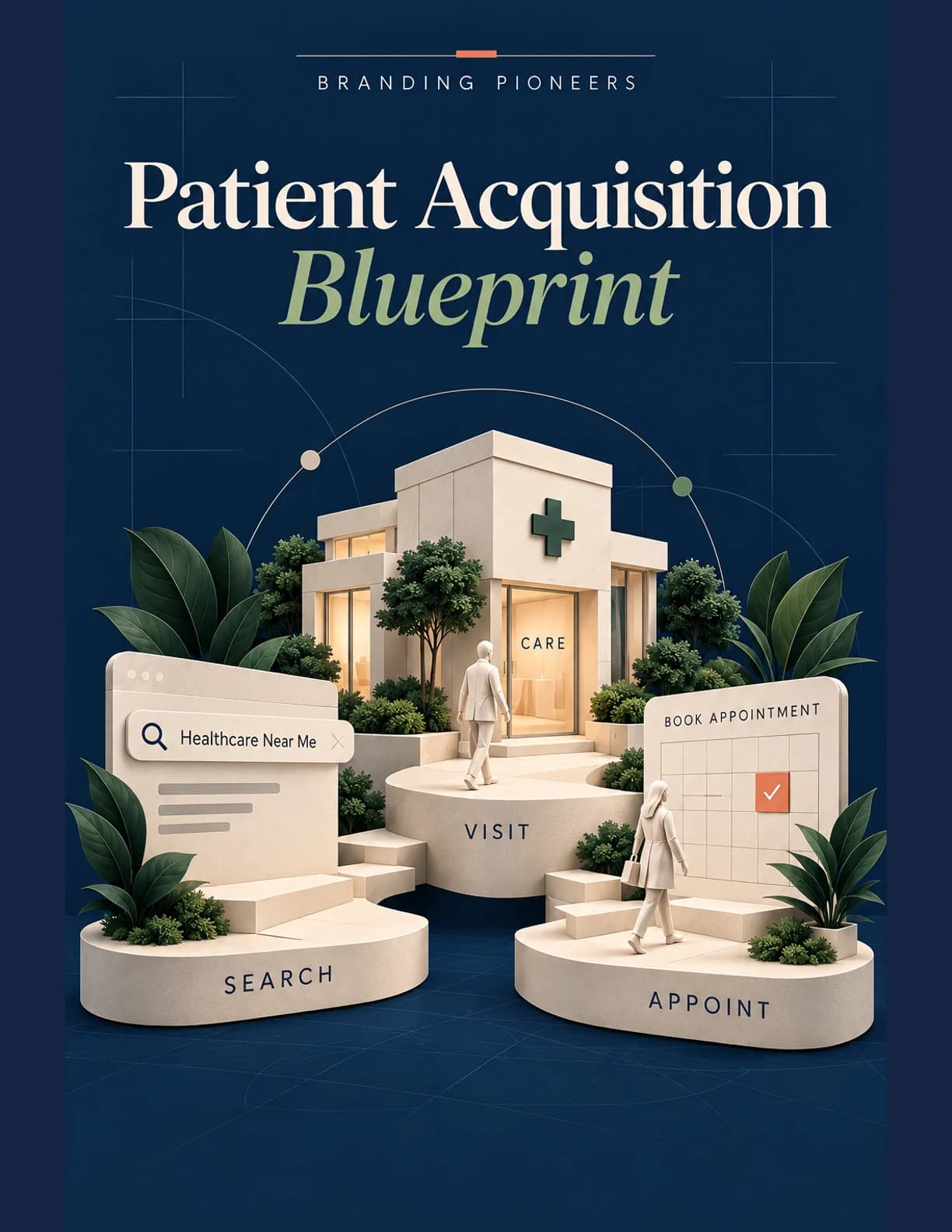
Free for neurosurgery marketers
A 90-day plan from first search to booked appointment.
17 pages · Built from our work with 350+ healthcare clients · Updated for AI search
Let’s talk about your neurosurgery programme
Three quick questions. We come prepared with a plan for your specialty and city.

 You’ll speak with a senior strategist
neurosurgery · Portfolio