
Dermal Fillers marketing has one job: be visible and credible at the moment a patient stops researching and starts choosing. Dermal fillers are repeat revenue when patients return. Short-form video and local SEO that book first appointments, plus loyalty marketing that keeps them on schedule.
What dermal fillers patients actually search
These are the queries the decision runs through:
- "lip fillers near me"
- "dermal fillers cost"
- "filler before and after"
Repeat service like Botox — retention marketing essential. Short-form video content drives bookings.
Those three or four phrases are worth more than the whole of the rest of the keyword list, because each one is a person at a specific point in the decision. A cost query and a "near me" query want different pages, and sending both to the same service page is the most common reason dermal fillers campaigns underperform.
Around them sits the broader set — "dermal filler marketing", "filler marketing", "lip filler marketing" and "injectable marketing" — which we map to pages rather than stuff into one.
What each of those searches needs from the page
"lip fillers near me" wants proof you are a credible local option — profile, reviews, credentials and a booking path that takes under a minute.
"dermal fillers cost" wants a straight answer on price, with the range and what moves it. Withholding this sends the patient to a competitor who published it.
"filler before and after" wants an honest account of what happens afterwards, including the parts patients are afraid to ask about.
That is the content plan, and it is usually three or four pages rather than one. The practice that ranks for all of them is not the one with the biggest budget — it is the one that answered the awkward question the others left off the site.
What the decision looks like from the patient's side
This is a visible condition the patient has usually already self-treated for months before seeking a specialist. Everything about the campaign follows from that: the length of the nurture sequence, how much the content has to explain before it asks for anything, and whether a form or a phone number is the right next step.
Where it usually goes wrong is narrower than people expect. In this field, the recurring failure is content that addresses the condition but never the embarrassment, so it ranks and does not convert. It is worth checking your own funnel against that before spending anything new.
What we run for dermal fillers
- Instagram Management for Healthcare — built around the queries above rather than the category term.
- Local SEO for Healthcare — built around the queries above rather than the category term.
Those run together, not in sequence. Search establishes that you exist and answers the research questions; paid covers the high-intent terms while organic is still climbing; the content behind both is what makes the difference between an enquiry and a booked consultation.
What we report on
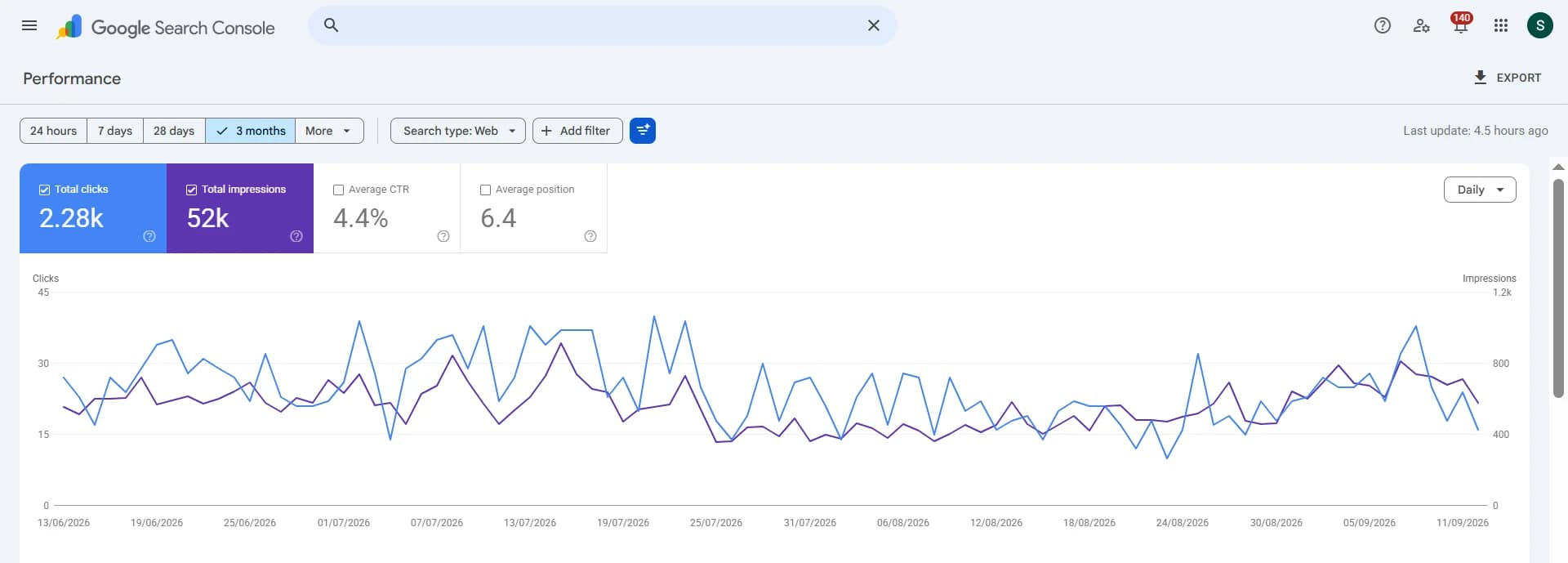
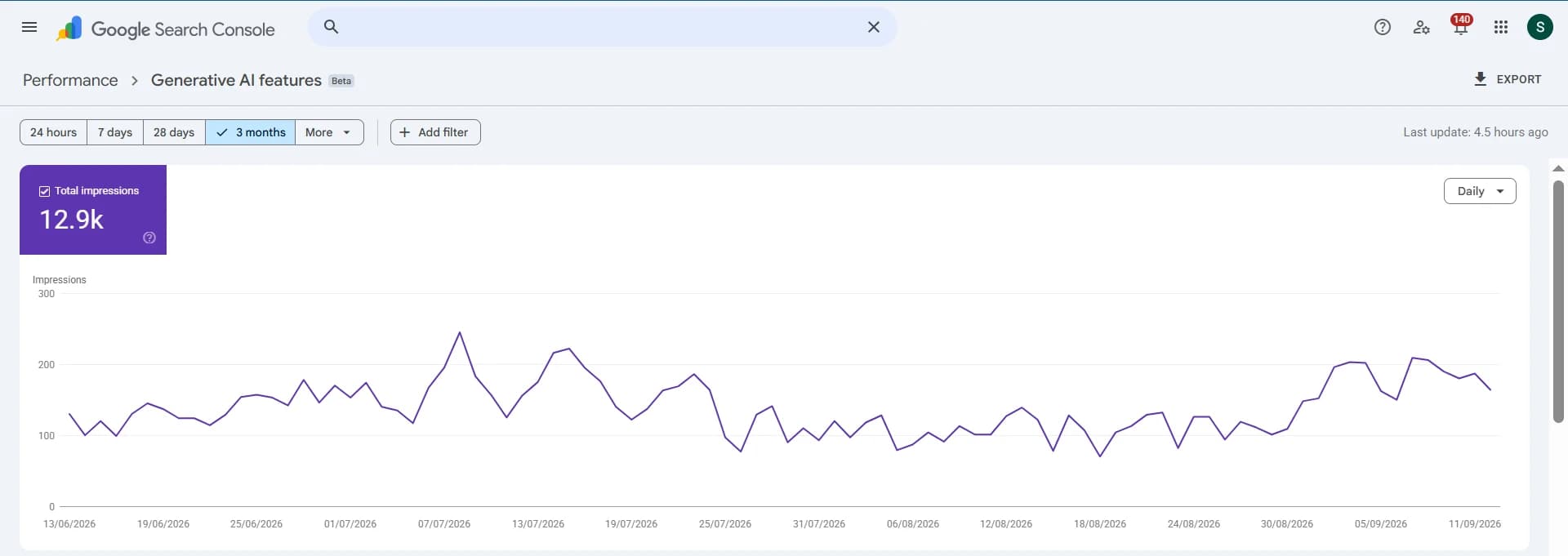
Appointments booked from condition pages, split by whether the patient came for a medical or a cosmetic concern. Reporting stops at the number the practice actually runs on. Impressions and click-through are diagnostic — useful for working out why something is or is not working — but they are not the result, and a report that leads with them is usually hiding one.
Compliance, specifically
Cosmetic and medical dermatology carry different advertising rules in most markets. Do not let a cosmetic promotion sit on a medical condition page. Beyond that, the general rules apply everywhere we work: no guaranteed outcomes, no comparative claims you cannot substantiate, and consent on the record before any patient appears in anything. In India that also means the NMC code of conduct and, since the DPDP Rules came into force, a lawful basis for every piece of patient data a marketing system touches.
The half of the funnel most practices ignore
Enquiries are not the constraint for most dermal fillers practices. Response time is. A patient who has spent weeks researching and finally fills in a form has, at that moment, usually contacted two or three practices — and the one that replies first is disproportionately the one they book with. If enquiries take a working day to answer, no amount of additional traffic fixes the number at the bottom.
So the work does not stop at the click. It covers what happens in the first five minutes after a form is submitted, what the follow-up says if nobody answers the phone, and whether any of it is recorded somewhere the practice can see. That is usually where the largest single gain is, and it costs nothing in media spend.
Related
Frequently asked questions
How do you market dermal fillers without making claims you can't back up?
By making the content do the work instead of the claim. Cosmetic and medical dermatology carry different advertising rules in most markets. Do not let a cosmetic promotion sit on a medical condition page. What remains is still plenty: answering the questions patients are already asking, being findable for "lip fillers near me", and making the next step obvious. Every claim we publish has to be substantiable at the time it goes live, which in practice means most pages carry no numbers at all and convert better for it.
How long before dermal fillers marketing produces enquiries?
Paid search produces enquiries within the first couple of weeks — the question after that is cost per qualified consultation, not volume. Organic takes longer and depends on your starting position: a practice with an established site and reviews moves in months, a new one takes longer. We would rather set that expectation at the start than manage a disappointment at month three.
What do you actually report?
Appointments booked from condition pages, split by whether the patient came for a medical or a cosmetic concern, reconciled against your own records rather than against platform-reported conversions, which count things your front desk would not. You also get the diagnostic layer — rankings, impressions, cost per click — because it explains the headline number, not because it replaces it.
Which channels does a dermal fillers campaign use?
Usually instagram management for healthcare and local seo for healthcare, run together. The split depends on how much organic ground you already hold — the less you have, the more the early months lean on paid.