How patients actually find fertility specialists
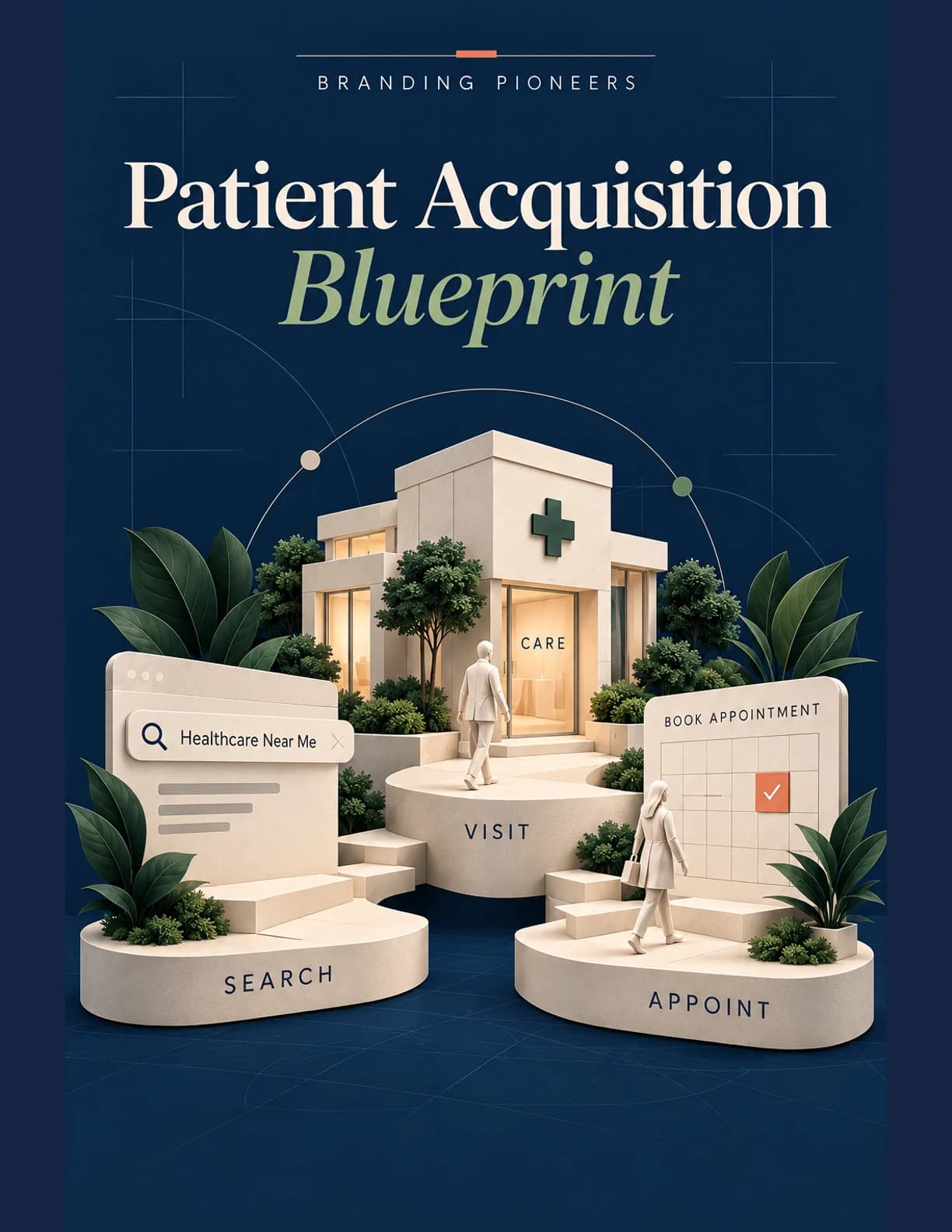
The fertility & reproductive medicine (ivf) patient journey is trust-led, deeply personal, often emotional. 30-180 days for fertility/specialty; 1-14 days for routine OB-GYN. Each stage needs different content, different channels, and a different way to turn interest into a booking — programmes that treat it all as one step do worse.
Patients searching "fertility doctor" or "ivf clinic" know what they want. They want to know whether you take their insurance, how soon they can see a fertility specialist, what your reviews say, and — for bigger procedures — what your doctor empathy look like. The fertility specialists who win here build pages that answer these questions right at the top of the screen.
The mix of channels that pays off for fertility specialists
Fertility & Reproductive Medicine (IVF) marketing comes down to trust. Patients researching fertility doctor bring worry, past bad experiences, and a lot at stake. Here's what works best, roughly in order of weight: in-depth, helpful content that answers questions before patients have to ask; doctor-led education through video and social; plain explainers of each treatment step; and a small, careful paid layer that respects privacy. We do not retarget women's health visitors with display ads — people expect more privacy here, and the loss of trust isn't worth the extra bookings. Email follow-up over 60-180 days handles the long research phase. The doctor's own content (LinkedIn, Instagram) builds the personal name recognition that brings second opinions and referrals.
What the rules mean for fertility & reproductive medicine (ivf) marketing
Fertility & Reproductive Medicine (IVF) marketing in India follows the MTP Act, the PCPNDT Act, and ASCI rules — no advertising of sex determination, no guaranteed-pregnancy claims, no "100% success" wording for fertility programmes. Since October 2026 the NMC's guidelines also rule out patient testimonials, success stories and discount offers, and bar doctors from advertising success rates; wherever success rates are published, they must use SART/ESHRE methods and break the numbers down by patient age. We work with the clinical lead so every published number holds up.
What good looks like in 12 months
A full fertility & ivf programme is built to move these things — each measured in your own analytics and shared under NDA, not claimed here as a headline number:
- Search visibility — organic and map-pack coverage built for the searches that matter most ("fertility doctor near me", "ivf clinic near me") across your area
- Booking cost — a lower cost per booked fertility-specialist than where you started
- Conversion — landing pages built to turn searchers into bookings
- Long-term value — patients who come through content and reviews tend to stay longer than those from ads alone
- Day-to-day — faster first replies, fewer no-shows, and more patients coming back
We measure each of these in your own analytics and share them under NDA — we report booked patients and revenue from your systems, not made-up averages.
Why this approach works for fertility specialists
Generic healthcare marketing treats all patients the same. They aren't. Patients looking for fertility specialists search in their own way, trust different things, face their own rules, and cost a different amount to reach. A programme built for fertility & reproductive medicine (ivf) brings in more of the right patients at lower cost than a one-size-fits-all playbook spending the same money. That's the highest-payoff choice in healthcare marketing today: pick specialists who understand fertility & ivf, not generalists who learn on your budget.