Branding in healthcare is mostly trust design — what a patient concludes about competence from a logo, a waiting room and a doctor's LinkedIn profile. These cover practice identity, multi-location consistency, and building a named clinician's reputation.
Published by Branding Pioneers · Published topic archive and article metadata
A practical reference for this page
01
Start hereHealthcare branding
02
Establish contextUse the published scope and relevant source material
03
Choose the next stepFollow the linked resource and assign an owner
Use the branding reading collection
Branding in healthcare is mostly trust design — what a patient concludes about competence from a logo, a waiting room and a doctor's LinkedIn profile. These cover practice identity, multi-location consistency, and building a named clinician's reputation. This page is part of a collection containing 11 published articles. The archive groups them under branding and keeps links to the complete articles so a short card can lead into the full explanation. Treat the card as an introduction to the question, not as the full recommendation or its supporting evidence.
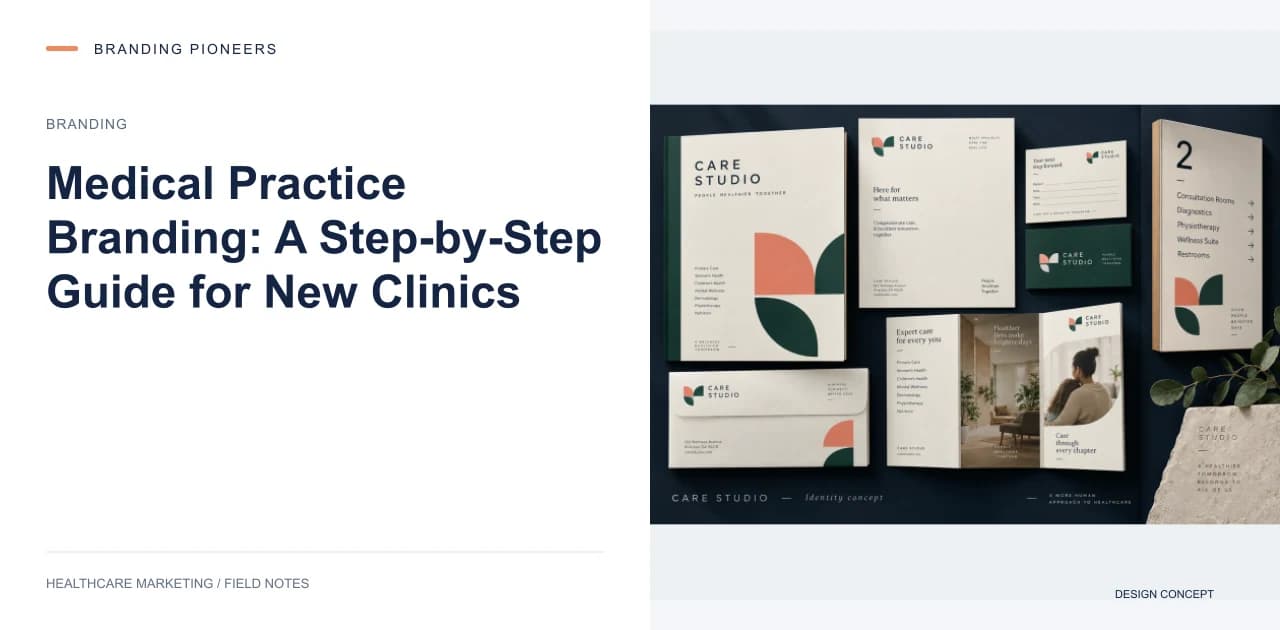
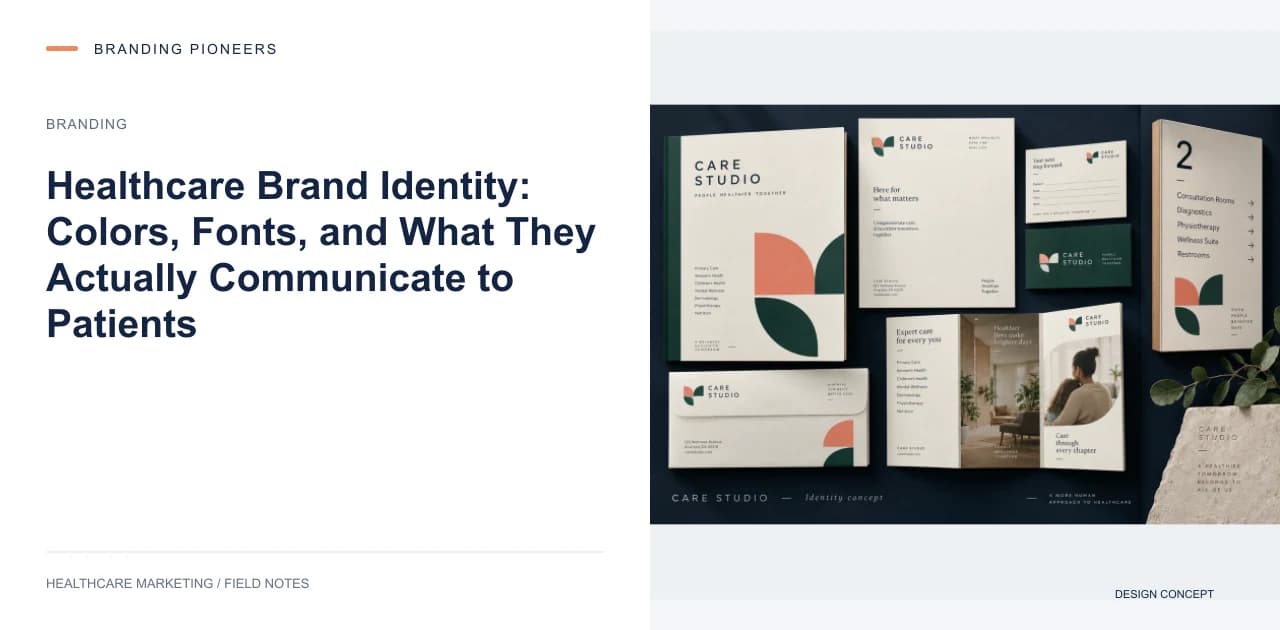
On this archive page, examples include National Doctor's Day 2026: A Tribute to India's Doctors — and the Digital Reputation They Deserve; Medical Practice Branding: A Step-by-Step Guide for New Clinics; Healthcare Brand Identity: Colors, Fonts, and What They Actually Communicate to Patients. Choose the article whose question is closest to the decision you are making. Read its source context and implementation details before assigning a task, and identify which assumptions depend on your service mix, location or operational process. If the article includes a tool or case example, follow that reference so its definitions and limits stay attached to the conclusion.
An identity needs to work at the point of care
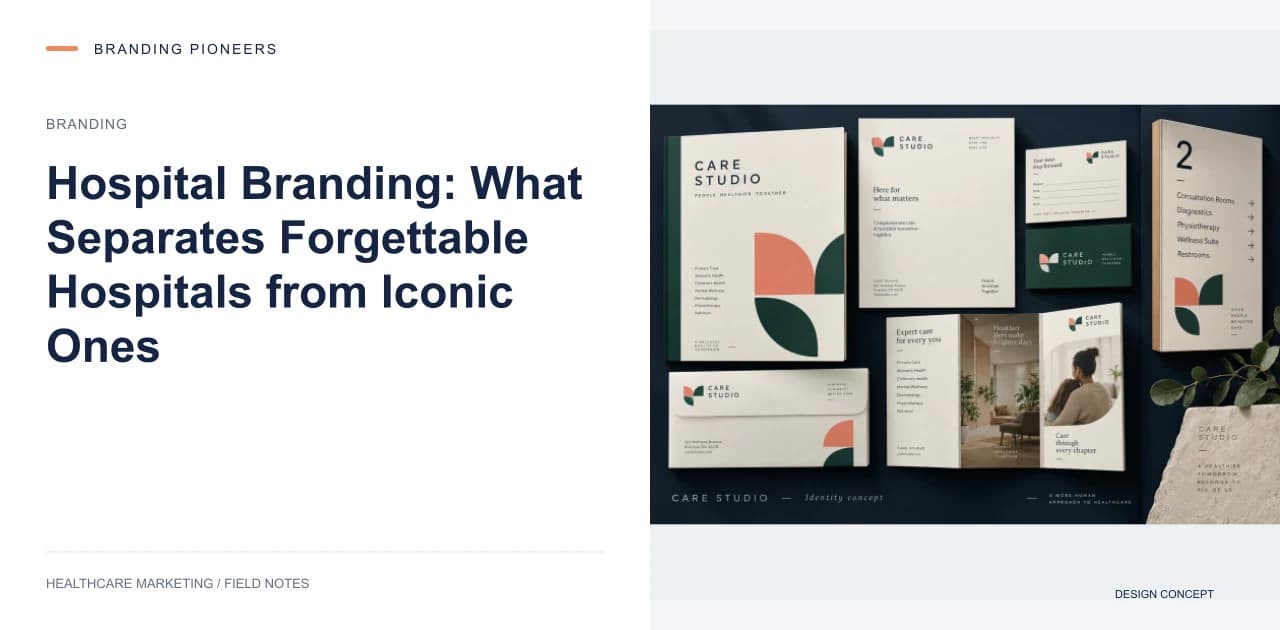
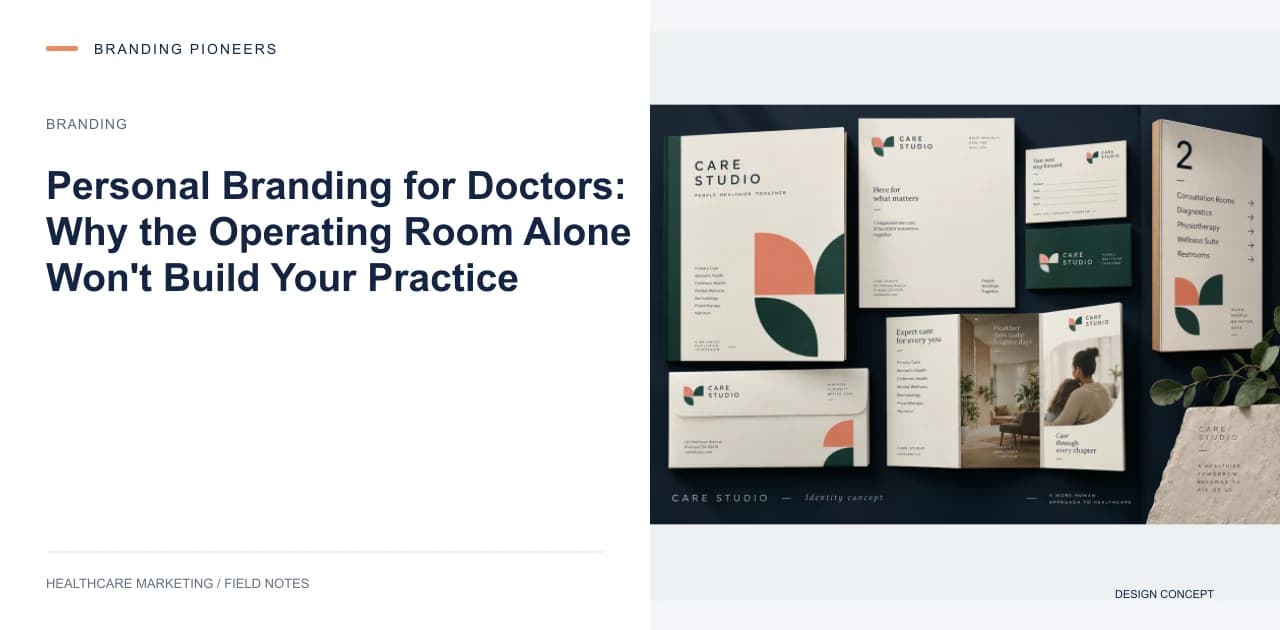
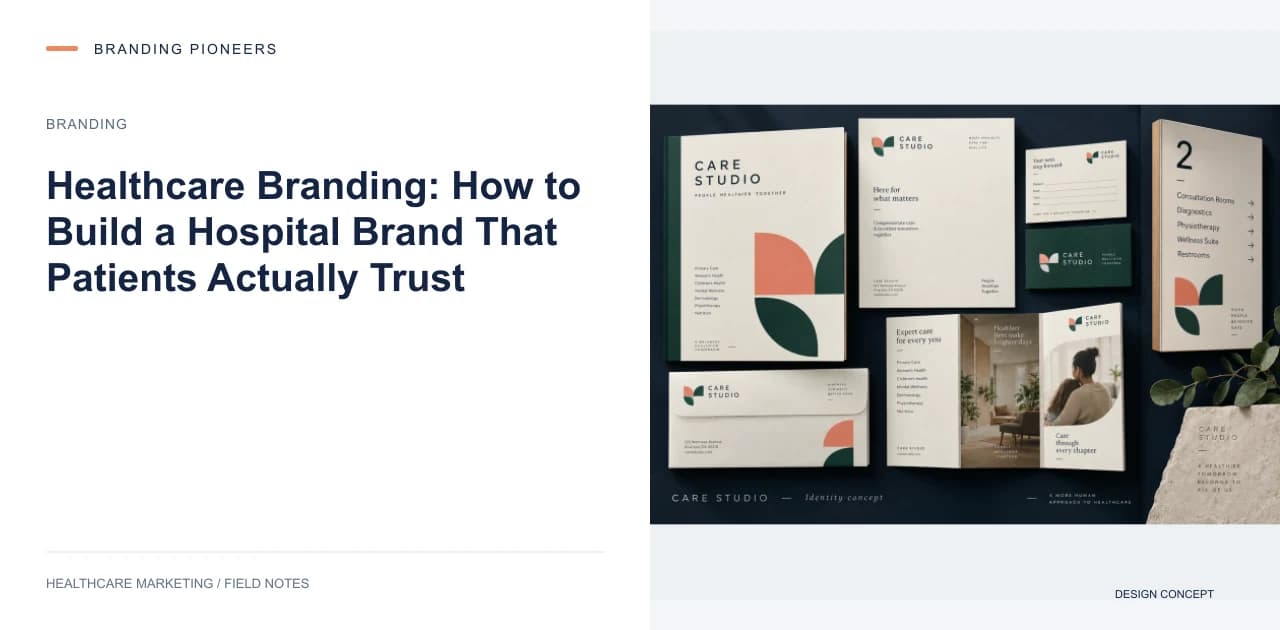
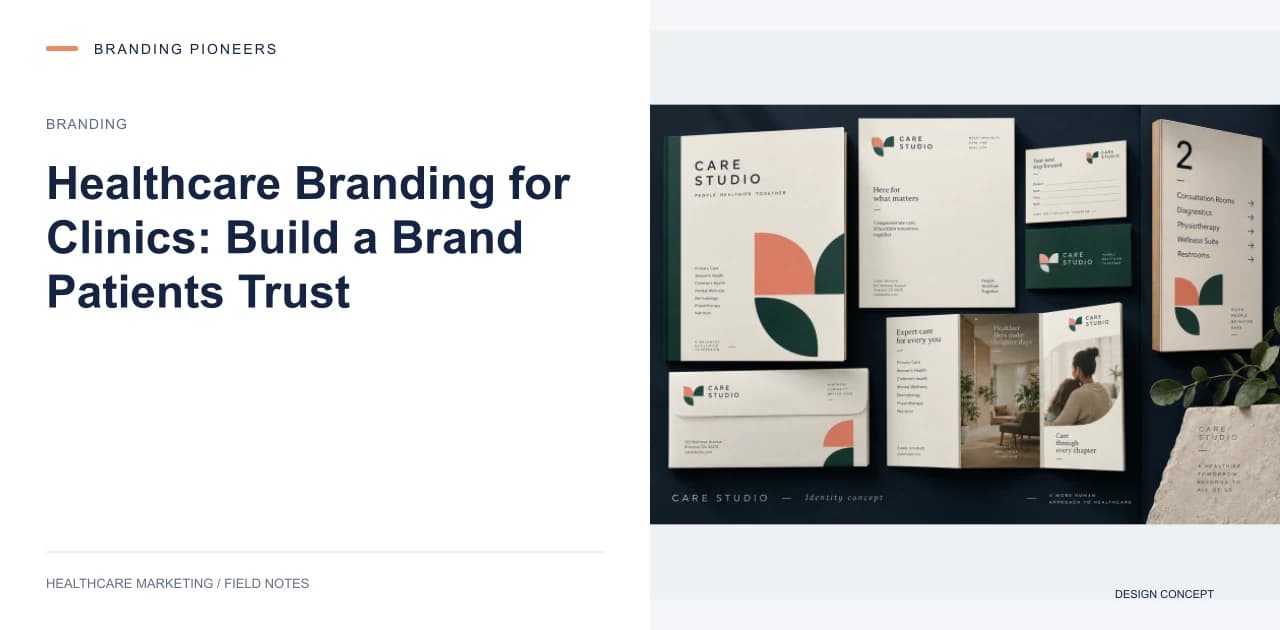
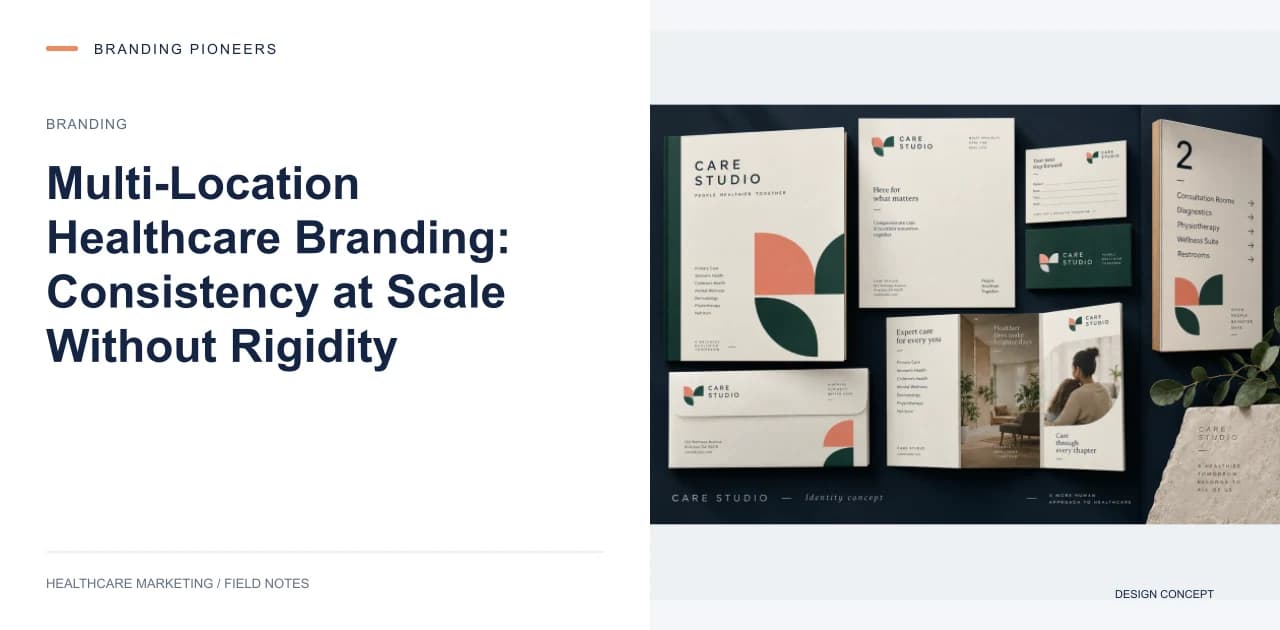
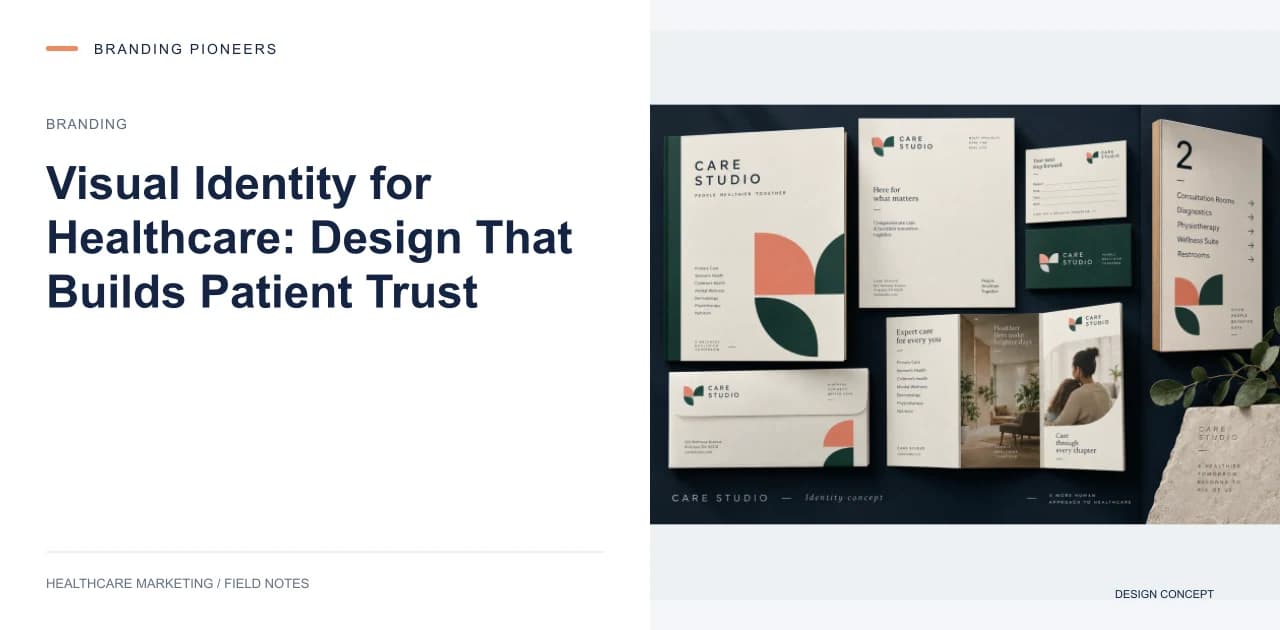
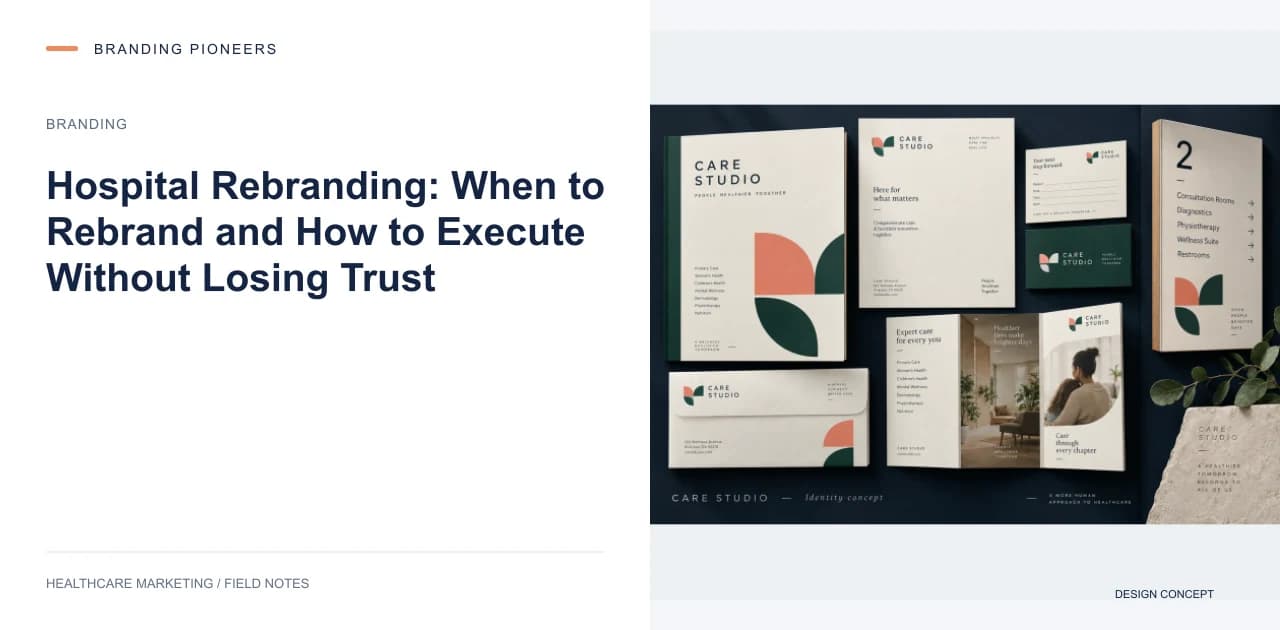
Healthcare identity design extends beyond the logo. Patients encounter appointment reminders, reception signage, folders, forms, brochures and digital pages during the same relationship with a provider. A coherent system makes those materials recognisable and easier to navigate. Review the hierarchy of the provider name, service information, contact details and any instructions a patient needs. Consistent colours and type treatments help the materials belong together, but clarity should determine the layout of practical information.
Inspect identity applications at the size and in the environment where they will be used. A brochure spread has different constraints from a mobile post or a sign viewed at a distance. Include long doctor names, multilingual text and location details in the review rather than only short demonstration labels. Where a portfolio shows stationery or print artwork, treat it as evidence of the visual application shown. Printing specifications, campaign dates and operational use need separate documentation if they are part of a new project brief.
Define the boundaries before adapting the collection
A useful brand brief states which elements already exist, which can change and who approves the result. A new clinic identity, an extension of an established hospital brand and a campaign within an existing identity are different assignments. Collect the current logo files, approved colour values, terminology and examples of existing materials. That makes it possible to distinguish a deliberate design decision from an accidental inconsistency when the work moves across teams and suppliers.
Review patient-facing copy alongside the artwork. Claims, clinician titles, contact details and translations need approval from the people responsible for them. Keep editable source files and a short set of application rules so later materials can follow the same system. The value of the portfolio is in understanding the relationship between message and format. It does not establish a future client’s recognition level or business results, and visual similarity alone is not a reason to copy another provider’s positioning.
Supporting client example: Rosewalk · Brand · PR. See the linked case file for the source context.