


Why most "SEO vs PPC" comparisons miss the point
The framing "SEO vs PPC" implies the two are alternatives. They're not — they're different layers of the same patient acquisition system, each strongest at different points in the customer journey and different points in the practice's growth trajectory.
The right question isn't "which one?" It's "what's the right mix at this moment, and how does that mix evolve over the next 24 months?" Practices that ask the right question consistently outperform practices that pick a side and commit.
The 24-month evolution
Months 1-3 (PPC carries): Practice has limited content, no domain authority, no review velocity. PPC drives 70-85% of acquisition. SEO investment is foundational (technical audit, GBP optimisation, citation cleanup) — content production starts but ranking compounding hasn't begun. CPA on PPC is high (no signal yet for optimisation); CPA on SEO is undefined (no traffic yet).
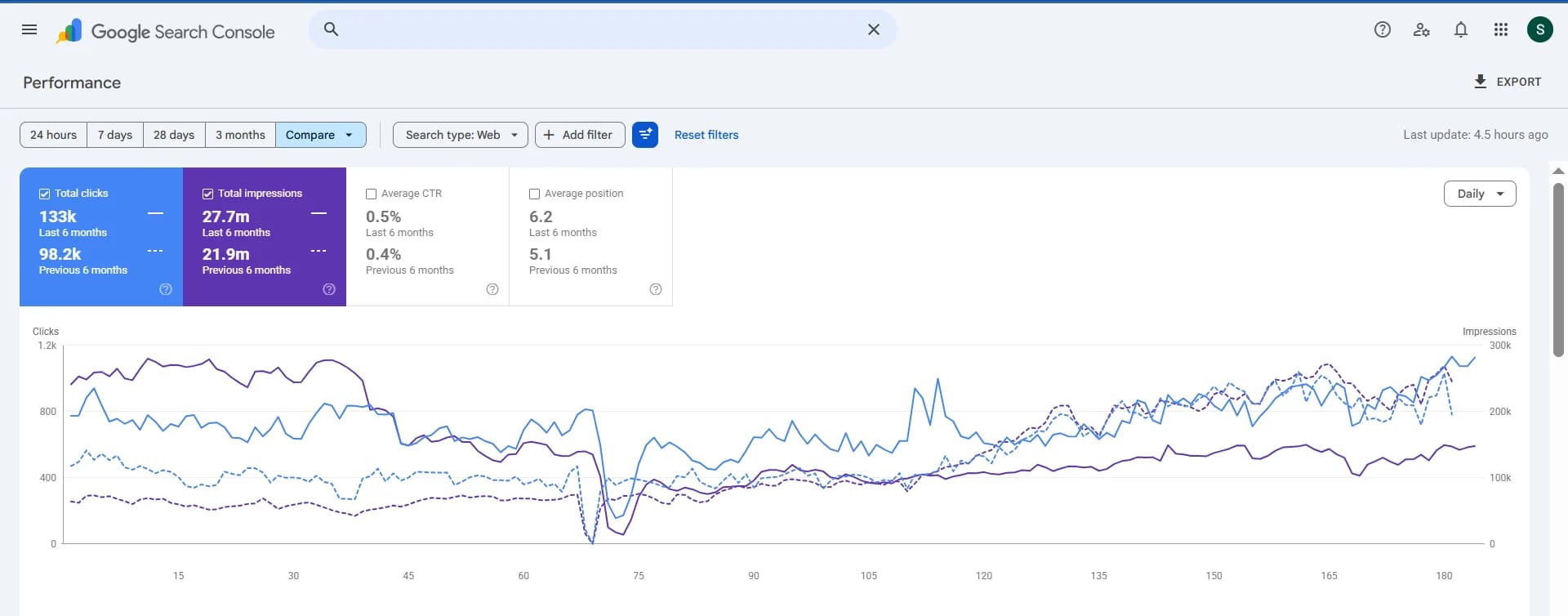
Months 4-9 (SEO ramps): Long-tail SEO starts producing traffic. CPA on SEO drops below CPA on PPC for low-competition queries first, then mid-competition queries. The mix shifts to 50/50. Practices that maintain PPC at full intensity start seeing diminishing ROAS as the same intent is being captured organically.
Months 9-18 (SEO compounds): Authority builds. Branded queries grow. Competitor brand queries become viable PPC targets. The mix shifts to 60-70% SEO, 30-40% PPC. PPC role pivots to remarketing + brand-defence + competitive procedure intent.
Months 18-24+ (steady state): Practices that executed correctly have CAC 50-70% below their month-1 baseline, with SEO carrying 60-70% of acquisition and PPC operating as a strategic supplement. Practices that misallocated typically have either over-paid for CPC (didn't reduce as SEO compounded) or under-invested in SEO (now playing catch-up against competitors who didn't).
Channel-specific economics
SEO economics: One-time investment in content + foundational technical work, then compounding return over 12-36 months. Median 12-month outcome for healthcare practices: 250-340% organic traffic growth, 40-60% CPA reduction. The investment doesn't end (content production continues monthly), but the per-content-piece return compounds as authority builds.
PPC economics: Ongoing investment in ad spend + management. ROAS varies 1.5-6× depending on specialty, geographic competition, conversion rate, and channel mix. Specialties with strong brand intent (cardiology, oncology, IVF) typically achieve 4-6× ROAS; specialties with weak brand intent (general dental cleanings, primary care) typically 2-4×. ROAS doesn't compound — when you stop spending, the patient flow stops within 7 days.
What sub-floor budgets produce
Practices that try to run both at sub-floor budgets produce poor results on both. Sub-floor SEO budgets produce thin content that doesn't rank. Sub-floor PPC budgets produce insufficient impressions to optimise. Below ₹85K/month combined, focus on one — usually GBP + reviews + intake operations + foundational SEO — and skip PPC until budget supports the auction floor.
What good looks like in 18 months
After a properly sequenced 18-month engagement: 250-340% organic traffic growth, 50-70% CAC reduction, top-3 map pack ranking in 75-90% of catchment, sustained 3-5+ reviews/week velocity, and PPC operating as 30-40% of acquisition (down from 70-85% at month 3) at 4-6× ROAS. Practices that achieved these outcomes consistently report that the early discomfort (months 1-3 of low SEO yield while paying for PPC + foundational work) was worth the compounding from month 6 forward.
