Dental marketing splits sharply by ticket size. Routine care — cleanings, fillings, exams — wins on local SEO + Google Business Profile + reviews. High-ticket procedures — implants, full-mouth restoration, orthodontics, cosmetic veneers — need procedure-specific landing pages with before/after galleries, transparent fee disclosure, financing options, and patient testimonials. We build both layers in the same engagement.
The two-market reality
A dental practice runs two fundamentally different businesses through the same operatory. Routine patients book on convenience and price. Implant patients book on trust and credibility. A marketing programme that uses one funnel for both underperforms on both. The shared infrastructure (SEO authority, reputation engine, CRM operations) compounds across both layers — but the conversion paths must respect the differences.
Reputation is the moat
Reviews compound. A practice with a deep, recent, well-answered review history converts search visitors a thin-review competitor never gets a shot at, and sustained review velocity is the highest-leverage local SEO lever available to a dentist. Once that history is deep enough it is structurally hard to displace, even by a newer competitor with a larger budget.
Implant programme economics
A single implant case is worth many times a routine new-patient visit, which is why it deserves its own funnel rather than a line on the services page. Practices without dedicated implant marketing lose most implant enquiries between the first call and the treatment plan; procedure landing pages, clear financing and real patient stories are what close that gap. The implant programme is where most practices leave money on the table.
Multi-location chain operations
Multi-location dental groups need separate Google Business Profiles per location (one-profile-multiple-locations is a Google policy violation that suppresses rankings). Each location gets its own URL with location-specific reviews, NAP consistency, and content. Central CRM routes calls based on intent + proximity. Chains that run every location off one profile lose map-pack visibility that a properly architected multi-location setup keeps.
Compliance reality
Dental marketing in India operates under DCI rules, ASCI guidelines, and local advertising rules. Specific constraints: no superlative cosmetic outcome claims, no comparison advertising against named competitors, before/after photos require patient consent and must be presented un-retouched, prices if displayed must include "starting from" or fee-range language, and implant or major surgical procedure ads must include qualifications of the performing dentist. The US adds state dental board rules. We pre-clear every implant and cosmetic landing page through a compliance checklist before launch.
What good looks like in 12 months
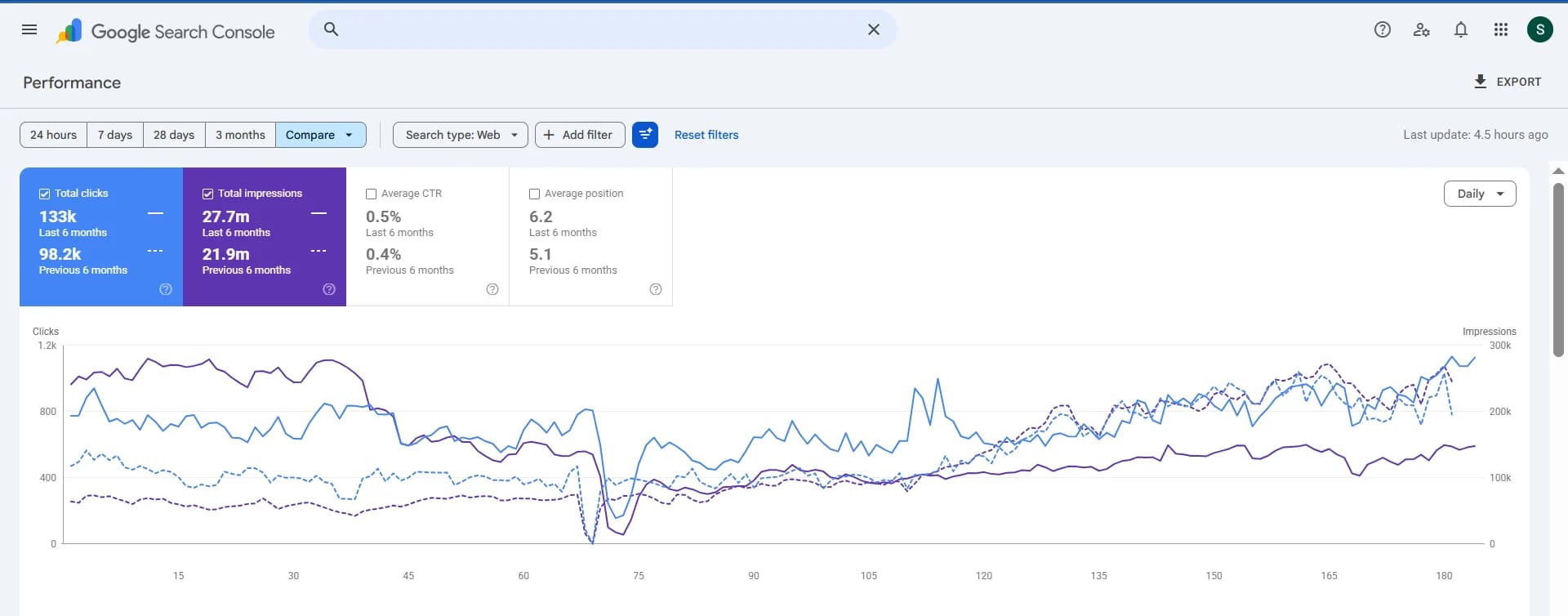
A full dental engagement targets: map-pack presence for "dentist near me" and the procedure queries across the catchment, new-patient flow growing month on month, a falling cost per new patient, implant enquiries converting into treatment plans at a rate the practice can see in its own PMS, and a review habit the front desk can sustain without being chased. Figures we publish come from the practice's own Search Console, ad accounts and PMS, and only with their agreement.