
Oncology patients search differently
Patients looking for oncologists search in 3 different ways. We map 36+ of these searches per oncologist and build pages that answer the real symptoms and decisions, not slogans.
Oncologists face a very different marketing challenge than primary care or a general hospital. Patients searching for "oncologist" arrive with symptom-driven, expert-seeking intent over 7-30 days from symptom search to consultation, and the trust signals that matter here don't carry over from other healthcare brands. We've worked in this area long enough to know what pays off over time: seo for condition searches, specialist content, backed by content that respects both the patient and the regulator.
The brief
Patients looking for oncologists search in 3 different ways. We map 36+ of these searches per oncologist and build pages that answer the real symptoms and decisions, not slogans.
The oncology decision takes 7-30 days from symptom search to consultation. Your marketing has to hold attention the whole way — helpful content in week 1, gentle reminders in weeks 2-4, and clear booking pages at the moment they decide.
Patients trust oncologists who teach. We build the trust signals — credentials, board certification, research publications — into every page that ranks or takes bookings.
The stack we deploy
Avg engagement: 18 months
36+ patient searches covered, oncologists markup, department-aware structure. Map-pack and organic rankings build up over time.
organic growth →Google Ads on procedure and competitor searches. We tune cost-per-booking against your starting point and check it against real bookings.
ROAS-managed →oncologist content on LinkedIn and YouTube, educational rather than self-promotional. Trust builds up — patients prefer oncologists who teach.
physician brand →Fast replies on every channel, and enquiries routed to the right oncologist.
CRM routing →Google Business Profile tuned, honest feedback invited from every patient (never filtered or incentivised), oncologists profiles consistent across directories. board certification built into every step.
genuine feedback →Oncology content must avoid wording that diagnoses or guarantees a result. We clear everything with the regulator before launch, not after.
pre-cleared →See where your oncology marketing stands — free.
Get my free growth planDeeper briefing
The oncology patient journey is one of the longest in healthcare — usually 30-90 days from diagnosis to a second-opinion appointment, often across several doctors, family conversations, and insurance paperwork. Oncology marketing that only chases bookings misses what really drives the choice: the patient and family believing this oncologist understands their cancer.
The problem in oncology isn't getting noticed — every diagnosed patient is acutely aware of their condition. The problem is standing out among equally qualified oncologists at major cancer centres. Patients choose based on how deep the expertise looks (publications, tumour-board reputation, a full team around the patient), how caring the doctor seems (videos of the oncologist explaining care), and practical access (insurance, location, how soon they can be seen).
SEO across 80-120 specific cancer types and treatments (immunotherapy, targeted therapy, robotic surgery, proton therapy, CAR-T). Each oncologist gets a profile page with their qualifications, registration, tumour-board roles and publications. Pages that openly invite second opinions — most oncology marketing skips this entirely, even though seeking one is a normal and expected part of the cancer journey. Treatment-explainer videos in place of promotional patient stories. Intake paths for international patients travelling for treatment.
After 12-18 months the centre has: organic coverage built for ["cancer hospital city"] and the specific cancer types and treatments it delivers, a profile page for every oncologist carrying tumour-board roles and publications, second-opinion pages that actively invite the enquiry most oncology marketing ignores, treatment-explainer video, and an international intake path with language, visa and payment support. Second-opinion volume, international enquiries and referral movement are reported to you from your own analytics — never published by us.
It takes longer (30-90+ days), the stakes are higher, and trust matters more than convenience or price. Oncology patients check everything — every claim, every number, every credential. Honest content backed by published research beats aspirational copy.
Not in India: under the NMC's 2026 guidelines, consent doesn't make a promotional testimonial or patient story permissible, and anonymised cases belong in journals and CME. In markets that allow them (the US, for example), only with documented consent and an 'individual results vary' disclosure, never as a promise of results. Either way, video of the oncologist explaining treatment carries far more weight than a pull quote.
A big opportunity for top cancer centres, and a genuinely different programme: reaching a patient across a border costs far more than reaching one in your own city, and the treatment values are correspondingly higher. Content in multiple languages, visa help, and secure escrow payment are must-haves, not extras. We model the corridor economics from your own case data before recommending a budget.
It decides second-opinion and complex-case referrals. Oncologists active on YouTube and LinkedIn — sharing treatment explainers and anonymised educational case discussions — are how out-of-network families find a specialist at all. A hospital brand alone does not reach that patient; a named oncologist does.
SEO and content carry the most weight, then relationships with referring doctors, then oncologist-led education, with a small paid layer on competitor names and procedures. Paid search is the weakest channel here — patients click but research heavily before booking, so it buys attention rather than appointments. The exact split comes out of your own referral and enquiry data, not a template.







Why choose us
Six reasons hospitals, clinics, and doctors pick a healthcare-only firm over a generalist agency.
It's all we do. No retail, no fintech — the whole team thinks in patient journeys, clinical trust, and the way people actually choose a doctor.
Receptionists, WhatsApp triage, and attribution built in-house — we answer patients in seconds and tie every click to a booked appointment.
HIPAA-aware handling, ASCI-reviewed creative, and GDPR/DPDP sign-off on every campaign — our standard, not an upcharge or an afterthought.
The senior who pitched you stays on the engagement. No bait-and-switch to juniors learning on your budget.
Patient-level attribution across calls, forms, and walk-ins. Monthly reports show booked patients — not just clicks and impressions.
We name our clients and show the work. Quarterly reviews with the numbers attached, every cycle.

Healthcare-only · since 2016
A team that does one thing well.
Keep going
The services we run for this vertical, the problems we solve most often, and the receipts to back the claims.
How we run it for practices like yours
Long-form playbook
Inside Healthcare SEO
Inside Healthcare SEO
Inside Healthcare SEO
Pairs with this engagement
Pairs with this engagement
A specific pain we solve
A specific pain we solve
Common issue in this segment
Common issue in this segment
Launch service launch plan · 9 mo
Doctor brand ivf growth programme · 6 mo
Formerly Google My Business, this free tool controls how a healthcare provider shows up across Google Search a…
Structured data code, added behind the scenes of a page, that spells out the content for search engines. Healt…
Long-form playbook
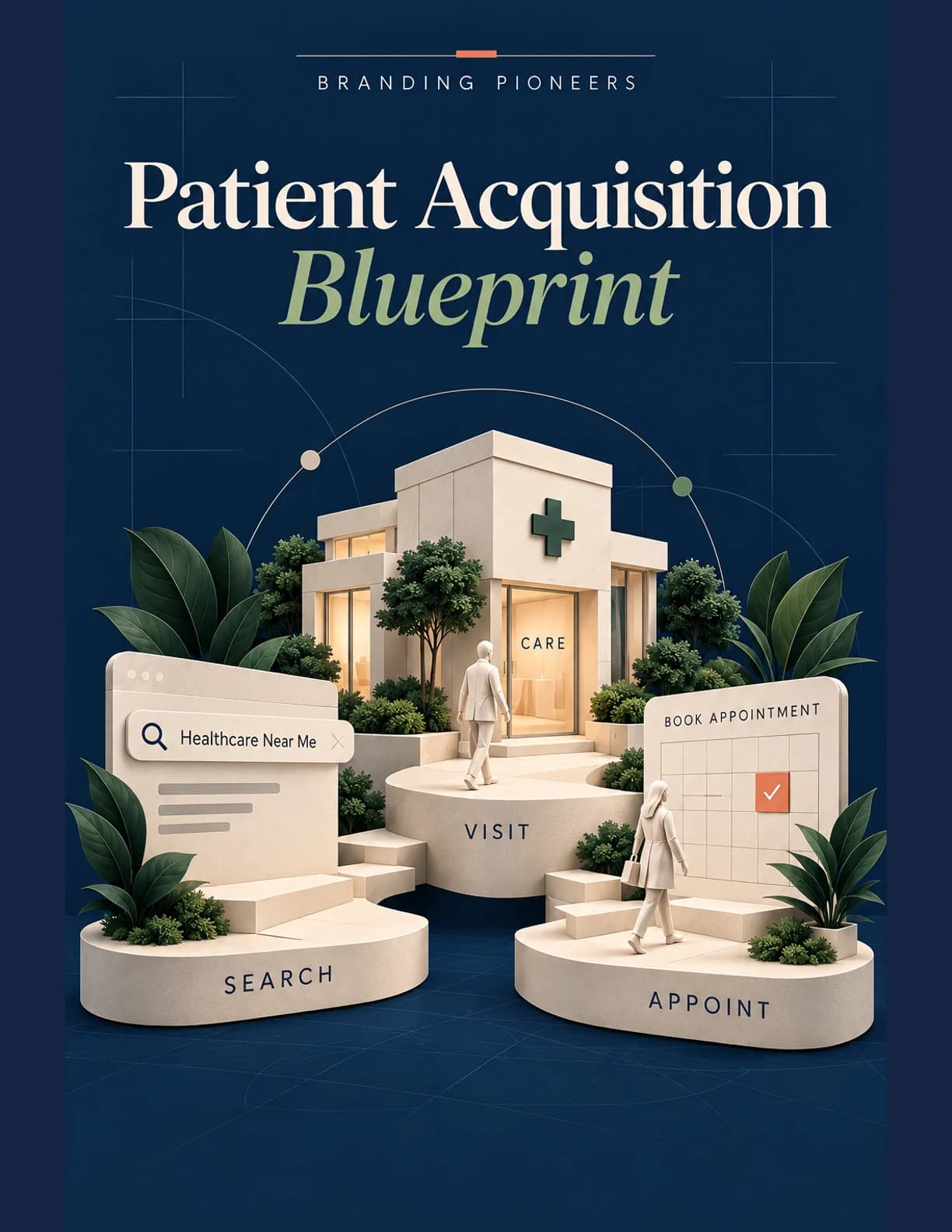
Free for oncology marketers
A 90-day plan from first search to booked appointment.
17 pages · Built from our work with 350+ healthcare clients · Updated for AI search
Let’s talk about your oncology programme
Three quick questions. We come prepared with a plan for your specialty and city.

 You’ll speak with a senior strategist
oncology · Portfolio


