
Cardiology patients search differently
Patients looking for cardiologists search in 3 different ways. We map 36+ of these searches per cardiologist and build pages that answer the real symptoms and decisions, not slogans.
Cardiologists face a very different marketing challenge than primary care or a general hospital. Patients searching for "cardiologist" arrive with symptom-driven, expert-seeking intent over 7-30 days from symptom search to consultation, and the trust signals that matter here don't carry over from other healthcare brands. We've worked in this area long enough to know what pays off over time: seo for condition searches, specialist content, backed by content that respects both the patient and the regulator.
The brief
Patients looking for cardiologists search in 3 different ways. We map 36+ of these searches per cardiologist and build pages that answer the real symptoms and decisions, not slogans.
The cardiology decision takes 7-30 days from symptom search to consultation. Your marketing has to hold attention the whole way — helpful content in week 1, gentle reminders in weeks 2-4, and clear booking pages at the moment they decide.
Patients trust cardiologists who teach. We build the trust signals — credentials, board certification, research publications — into every page that ranks or takes bookings.
The stack we deploy
Avg engagement: 12 months
36+ patient searches covered, cardiologists markup, practice-aware structure. Map-pack and organic rankings build up over time.
organic growth →Google Ads on procedure and competitor searches. We tune cost-per-booking against your starting point and check it against real bookings.
ROAS-managed →cardiologist content on LinkedIn and YouTube. Trust builds up — patients prefer cardiologists who teach.
physician brand →Fast replies on every channel, and enquiries routed to the right cardiologist.
CRM routing →Reviews on autopilot, Google Business Profile tuned, cardiologists profiles consistent across directories. board certification built into every step.
review automation →Cardiology content must avoid wording that diagnoses or guarantees a result. We clear everything with the regulator before launch, not after.
pre-cleared →See where your cardiology marketing stands — free.
Get my free growth planDeeper briefing
Cardiology searches come in two very different moments: the chest-pain-right-now emergency, and the family-history follow-up. The first books within hours; the second spends 30-60 days on Google comparing hospitals. A cardiology programme that ignores either one will either overspend on emergency keywords (which bring low long-term value) or miss the high-value preventive patients altogether.
The person searching "chest pain doctor near me" at 11pm wants the nearest hospital with a cath lab and needs to be there within 90 minutes. The person searching "best cardiologist in [city]" three weeks after a parent's heart attack will research for another 4-6 weeks before booking. The two cost different amounts to reach and are worth different amounts over time — programmes that bid the same on both lose money on the preventive side.
A standard cardiology programme runs SEO across 180-240 condition and procedure searches (bypass surgery, angioplasty, TAVR, EP studies, heart-failure clinics, preventive screenings), search-friendly profile pages for every cardiologist on the team, and Google Ads on competitor names and procedure searches. The doctor-brand work covers a personal LinkedIn and YouTube presence for each cardiologist, plus a hospital cardiology page that ranks for ["best cardiology hospital city"]. On the operations side, we route "chest pain" enquiries to the emergency desk in under 90 seconds and "second opinion" enquiries to a cardiologist's queue with a 24-hour response promise.
After 12 months the cardiology line has: organic coverage built across the condition and procedure searches that matter, a Google Business Profile set up to compete for "cardiologist near me" across the catchment, a search-visible profile page for every cardiologist on the team, urgent and preventive enquiries priced and routed as the two different journeys they are, and a cost per booked consultation you can see in your own reporting. We reconcile consultation volume and acquisition cost with the client — we don't publish either.
Cardiology has two kinds of patients — urgent (sudden chest pain, recovering from a heart attack) and planned preventive — and they need different paths, different ad budgets, and different goals. Generic hospital marketing lumps them together and does badly on both.
It depends on your catchment, your competition and whether the enquiry is urgent or preventive — preventive patients research for weeks and cost more to reach, but are worth more over time. We model a range from your own historical data before you commit a budget, and report the real figure monthly from your systems. We don't quote another client's numbers as your forecast.
Yes. Cardiology is one of the few specialties where a doctor's personal reputation builds the hospital's reputation too. A cardiologist active on LinkedIn and YouTube opens a consultation channel that hospital-level marketing never reaches — patients searching for a named specialist are not the same patients searching for a hospital.
First wins (map pack, searches for your name) in 60-90 days. SEO for procedure searches ('angioplasty cost', 'bypass vs angioplasty') builds over 6-12 months. Symptom searches take 12-18 months but bring the most valuable patients.
Yes for procedure searches and competitor names, where intent is high and the patient is close to booking. Much less so for broad symptom searches — those patients are still orienting themselves, and they are better and more cheaply served by SEO and content. We split the account that way from day one and report the return on each from your own conversion data.














Why choose us
Six reasons hospitals, clinics, and doctors pick a healthcare-only firm over a generalist agency.
It's all we do. No retail, no fintech — the whole team thinks in patient journeys, clinical trust, and the way people actually choose a doctor.
Receptionists, WhatsApp triage, and attribution built in-house — we answer patients in seconds and tie every click to a booked appointment.
HIPAA-aware handling, ASCI-reviewed creative, and GDPR/DPDP sign-off on every campaign — our standard, not an upcharge or an afterthought.
The senior who pitched you stays on the engagement. No bait-and-switch to juniors learning on your budget.
Patient-level attribution across calls, forms, and walk-ins. Monthly reports show booked patients — not just clicks and impressions.
We name our clients and show the work. Quarterly reviews with the numbers attached, every cycle.

Healthcare-only · since 2016
A team that does one thing well.
Keep going
The services we run for this vertical, the problems we solve most often, and the receipts to back the claims.
How we run it for practices like yours
Long-form playbook
Inside Healthcare Performance Ads
Inside Healthcare Performance Ads
Inside Healthcare Performance Ads
Pairs with this engagement
Pairs with this engagement
A specific pain we solve
A specific pain we solve
Common issue in this segment
Common issue in this segment
Launch service launch plan · 9 mo
Doctor brand ivf growth programme · 6 mo
In healthcare, the price of turning marketing into one new patient. Benchmarks land around urgent care $15-25,…
Unlike standard PPC, LSAs charge per lead and sit at the very top of results carrying a "Google Guaranteed" or…
Long-form playbook
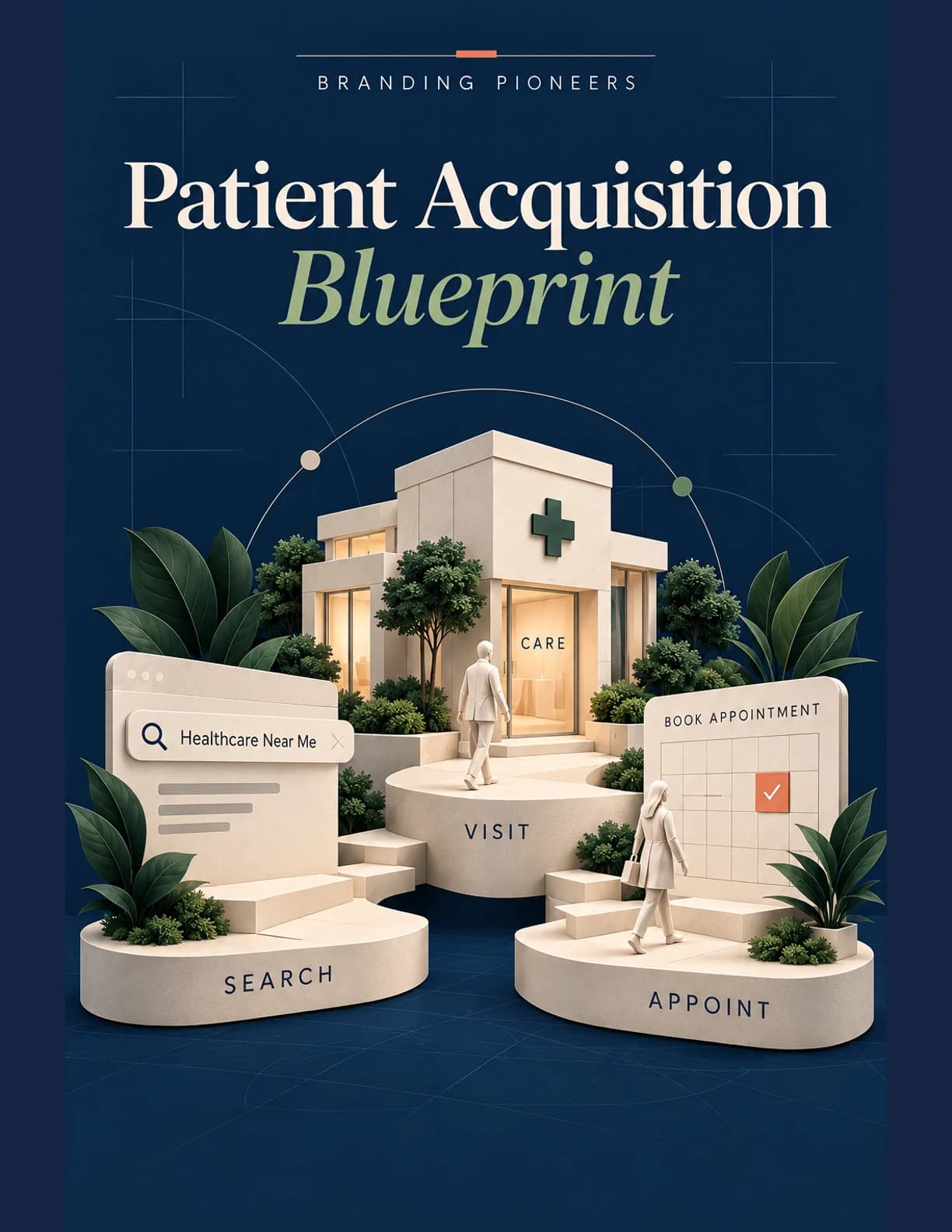
Free for cardiology marketers
A 90-day plan from first search to booked appointment.
17 pages · Built from our work with 350+ healthcare clients · Updated for AI search
Let’s talk about your cardiology programme
Three quick questions. We come prepared with a plan for your specialty and city.

 You’ll speak with a senior strategist
cardiology · Portfolio


