How patients actually find healthtech companies
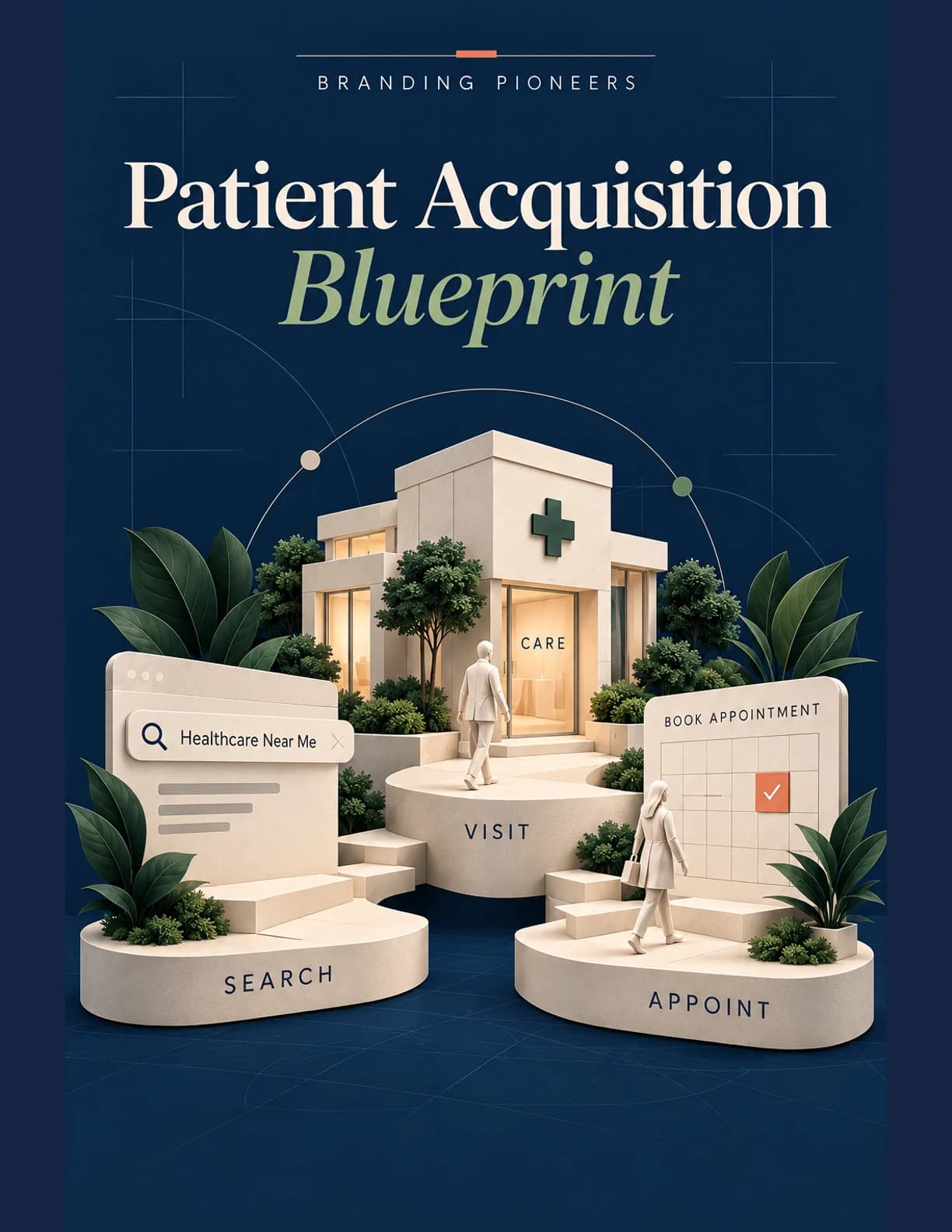
The healthcare saas & healthtech patient journey is B2B group decision, many stakeholders, bid-driven. 60-180 days B2B sales cycle. Each stage needs different content, different channels, and a different way to turn interest into a booking — programmes that treat it all as one step do worse.
Patients searching "health tech" or "healthcare SaaS" know what they want. They want to know whether you take their insurance, how soon they can see a healthtech companie, what your reviews say, and — for bigger procedures — what your regulatory approvals look like. The healthtech companies who win here build pages that answer these questions right at the top of the screen.
The mix of channels that pays off for healthtech companies
Healthcare SaaS & HealthTech marketing is B2B, and a group makes the call. For a healthcare saas & healthtech purchase the buying group spans clinical lead, IT, purchasing, finance and compliance — every one of them can stop the deal, and none of them can sign it alone. What works: targeted LinkedIn outreach against a named account list, rather than a broad job title, is how you reach the hospitals you actually sell to. In-depth content (white papers, reports on the rules, ROI calculators) is what builds the pipeline. Showing up at conferences and following up afterward is what closes it. Paid LinkedIn only pays for itself against a named account list. Sales materials (one-pagers, case studies with named hospitals, diagrams of how the system connects) shorten the sales cycle when the sales team uses them consistently.
What the rules mean for healthcare saas & healthtech marketing
Healthcare SaaS & HealthTech marketing falls under the FDA (US), CDSCO (India), and MHRA (UK). Claims about drugs and devices must match the approved label. White papers must cite published research. You can't promote off-label uses. We clear every claim with the client's regulatory lead first.
What good looks like in 12 months
A full healthtech programme is built to move these things — each measured in your own analytics and shared under NDA, not claimed here as a headline number:
- Search visibility — organic and map-pack coverage built for the searches that matter most ("health tech near me", "healthcare SaaS near me") across your area
- Booking cost — a lower cost per booked healthtech-companie than where you started
- Conversion — landing pages built to turn searchers into bookings
- Long-term value — patients who come through content and reviews tend to stay longer than those from ads alone
- Day-to-day — faster first replies, fewer no-shows, and more patients coming back
We measure each of these in your own analytics and share them under NDA — we report booked patients and revenue from your systems, not made-up averages.
Why this approach works for healthtech companies
Generic healthcare marketing treats all patients the same. They aren't. Patients looking for healthtech companies search in their own way, trust different things, face their own rules, and cost a different amount to reach. A programme built for healthcare saas & healthtech brings in more of the right patients at lower cost than a one-size-fits-all playbook spending the same money. That's the highest-payoff choice in healthcare marketing today: pick specialists who understand healthtech, not generalists who learn on your budget.