Pharmaceutical Companies patients search differently
Patients looking for pharma companies search in 3 different ways. We map 36+ of these searches per pharma companie and build pages that answer the real symptoms and decisions, not slogans.
Pharma Companies face a very different marketing challenge than primary care or a general hospital. Patients searching for "pharma marketing" arrive with B2B group decision, many stakeholders, bid-driven intent over 60-180 days B2B sales cycle, and the trust signals that matter here don't carry over from other healthcare brands. We've worked in this area long enough to know what pays off over time: b2b content marketing, linkedin + sales enablement, backed by content that respects both the patient and the regulator.
The brief
Patients looking for pharma companies search in 3 different ways. We map 36+ of these searches per pharma companie and build pages that answer the real symptoms and decisions, not slogans.
The pharmaceutical companies decision takes 60-180 days B2B sales cycle. Your marketing has to hold attention the whole way — helpful content in week 1, gentle reminders in weeks 2-4, and clear booking pages at the moment they decide.
Patients trust pharma companies who teach. We build the trust signals — credentials, regulatory approvals, case studies with named hospitals — into every page that ranks or takes bookings.
The stack we deploy
Avg engagement: 12 months
36+ patient searches covered, pharma companies markup, practice-aware structure. Map-pack and organic rankings build up over time.
organic growth →Google Ads on procedure and competitor searches. We tune cost-per-booking against your starting point and check it against real bookings.
ROAS-managed →pharma companie content on LinkedIn and YouTube, educational rather than self-promotional. Trust builds up — patients prefer pharma companies who teach.
physician brand →Fast replies on every channel, and enquiries routed to the right pharma companie.
CRM routing →Google Business Profile tuned, honest feedback invited from every patient (never filtered or incentivised), pharma companies profiles consistent across directories. regulatory approvals built into every step.
genuine feedback →Pharmaceutical Companies marketing falls under the FDA (US), CDSCO (India), and MHRA (UK). We clear everything with the regulator before launch, not after.
pre-cleared →See where your pharmaceutical companies marketing stands — free.
Get my free growth planDeeper briefing
The pharmaceutical companies patient journey is B2B group decision, many stakeholders, bid-driven. 60-180 days B2B sales cycle. Each stage needs different content, different channels, and a different way to turn interest into a booking — programmes that treat it all as one step do worse.
Patients searching "pharma marketing" or "pharmaceutical company" know what they want. They want to know whether you take their insurance, how soon they can see a pharma companie, what your reviews say, and — for bigger procedures — what your regulatory approvals look like. The pharma companies who win here build pages that answer these questions right at the top of the screen.
Pharmaceutical Companies marketing is B2B, and a group makes the call. For a pharmaceutical companies purchase the buying group spans clinical lead, IT, purchasing, finance and compliance — every one of them can stop the deal, and none of them can sign it alone. What works: targeted LinkedIn outreach against a named account list, rather than a broad job title, is how you reach the hospitals you actually sell to. In-depth content (white papers, reports on the rules, ROI calculators) is what builds the pipeline. Showing up at conferences and following up afterward is what closes it. Paid LinkedIn only pays for itself against a named account list. Sales materials (one-pagers, case studies with named hospitals, diagrams of how the system connects) shorten the sales cycle when the sales team uses them consistently.
Pharmaceutical Companies marketing falls under the FDA (US), CDSCO (India), and MHRA (UK). Claims about drugs and devices must match the approved label. White papers must cite published research. You can't promote off-label uses. We clear every claim with the client's regulatory lead first.
A full pharma programme is built to move these things — each measured in your own analytics and shared under NDA, not claimed here as a headline number:
We measure each of these in your own analytics and share them under NDA — we report booked patients and revenue from your systems, not made-up averages.
Generic healthcare marketing treats all patients the same. They aren't. Patients looking for pharma companies search in their own way, trust different things, face their own rules, and cost a different amount to reach. A programme built for pharmaceutical companies brings in more of the right patients at lower cost than a one-size-fits-all playbook spending the same money. That's the highest-payoff choice in healthcare marketing today: pick specialists who understand pharma, not generalists who learn on your budget.
Pharmaceutical Companies · FAQ
Something else? Talk to our team →
Pharma Companies deal with B2B group decision, many stakeholders, bid-driven patients, a decision that takes 60-180 days B2B sales cycle, and regulatory approvals + case studies with named hospitals as the trust signals that decide it. Generic healthcare marketing forces every specialty into one playbook and does poorly on each one's specific numbers. We tune to pharma from day one.
There is no honest single figure, and an agency that quotes you one without seeing your numbers is guessing. Cost per patient moves with the size of the buying group, the length of the procurement cycle, and whether you are selling into a named account list or a broad job title — plus how developed your market is and how much local competition you face. Big-city markets cost more than small-city ones, and the most contested cities cost more again. During the 90-day audit we model a range from your own historical spend and bookings, then report the real figure monthly from your systems. We don't publish another client's acquisition cost as your forecast — theirs is theirs, and it is under NDA.
First wins (Google Business Profile improvements, paid search live, more reviews coming in) in 30-45 days. A real lift in search traffic in 90-120 days. Rankings and content authority that keep building in 6-12 months. Pharma programmes that haven't moved booking numbers by month 4 are usually set up wrong — we audit and reset.
Pharmaceutical Companies marketing is B2B, and a group makes the call. The exact split depends on your area, how much competition there is, and how built-out your current marketing is. The 90-day audit gives you a custom mix; we don't copy-paste the same mix everywhere because the local numbers won't allow it.
Pharma Companies usually do best on their own site for clearer SEO. The exception is multi-specialty groups, where one well-built site with clear specialty sections beats several thin ones. The right setup depends on your mix of cases and your growth goal.
Most important: qualified opportunities/qtr, cost per opportunity. Also useful: how fast reviews come in, map-pack visibility, and search traffic on high-intent queries. Numbers to ignore: total website visitors, time on site, and raw impressions. We report on booked patients and revenue, not traffic.
It decides bookings in pharmaceutical companies. We build regulatory approvals into every step — landing pages, search results, social proof, intake forms. Pharma Companies who treat regulatory approvals as a box to tick lose to pharma companies who use it to win patients.













Why choose us
Six reasons hospitals, clinics, and doctors pick a healthcare-only firm over a generalist agency.
It's all we do. No retail, no fintech — the whole team thinks in patient journeys, clinical trust, and the way people actually choose a doctor.
Receptionists, WhatsApp triage, and attribution built in-house — we answer patients in seconds and tie every click to a booked appointment.
HIPAA-aware handling, ASCI-reviewed creative, and GDPR/DPDP sign-off on every campaign — our standard, not an upcharge or an afterthought.
The senior who pitched you stays on the engagement. No bait-and-switch to juniors learning on your budget.
Patient-level attribution across calls, forms, and walk-ins. Monthly reports show booked patients — not just clicks and impressions.
We name our clients and show the work. Quarterly reviews with the numbers attached, every cycle.

Healthcare-only · since 2016
A team that does one thing well.
Keep going
The services we run for this vertical, the problems we solve most often, and the receipts to back the claims.
How we run it for practices like yours
Inside Healthcare SEO
Inside Healthcare SEO
Inside Healthcare SEO
Pairs with this engagement
Pairs with this engagement
Common issue in this segment
Common issue in this segment
Doctor brand ivf growth programme · 6 mo
TMS patient-growth programme · 5 mo
Structured data code, added behind the scenes of a page, that spells out the content for search engines. Healt…
Three page-experience metrics Google tracks: LCP for loading speed, INP for interactivity, and CLS for visual …
Long-form playbook
To increase inpatient admissions: (1) Target condition-specific keywords that lead to hospitalization, (2) Bui…
Local SEO + media buying in Dubai
Local SEO + media buying in Abu Dhabi
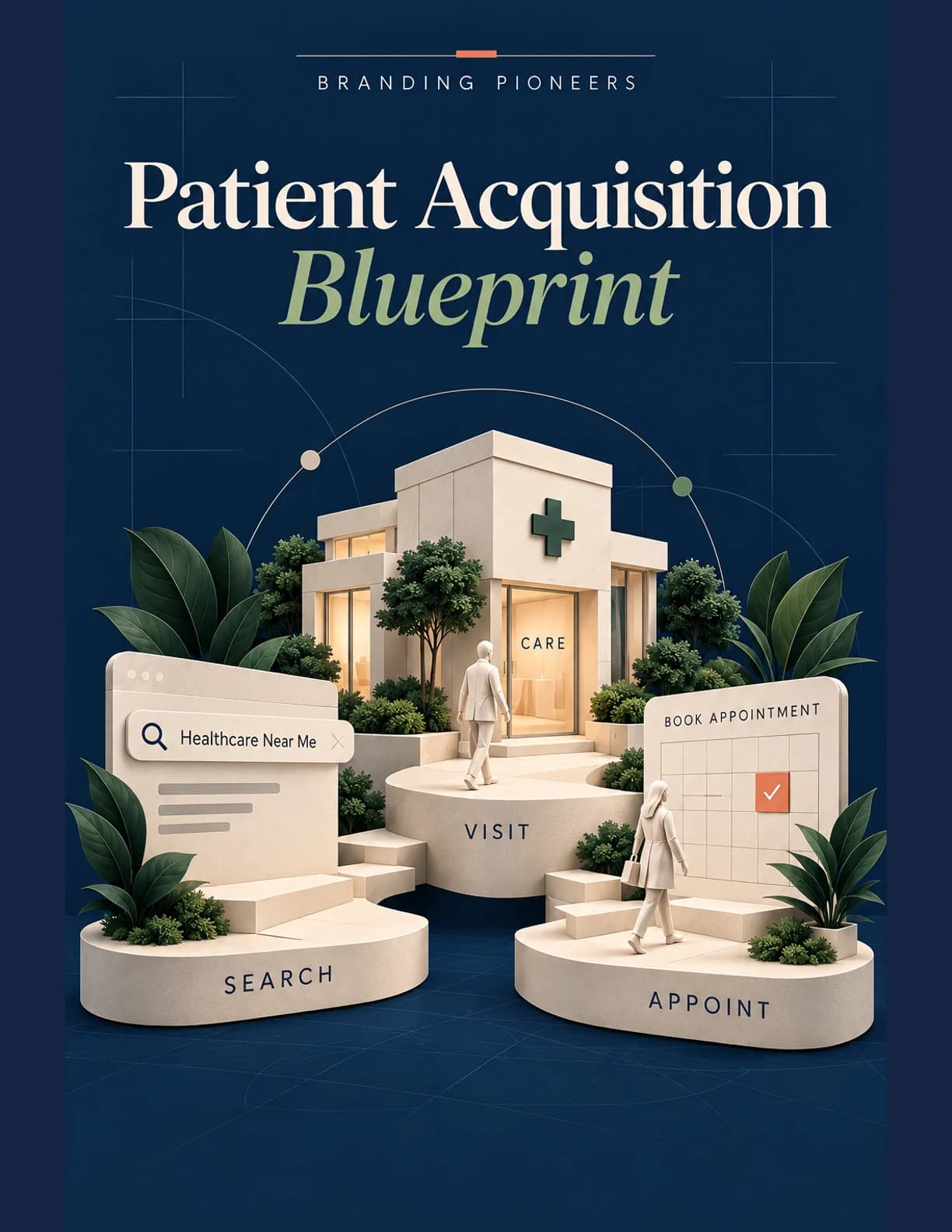
Free for pharmaceutical companies marketers
A 90-day plan from first search to booked appointment.
17 pages · Built from our work with 350+ healthcare clients · Updated for AI search
Let’s talk about your pharma programme
Three quick questions. We come prepared with a plan for your specialty and city.

 You’ll speak with a senior strategist
pharmaceutical · Portfolio