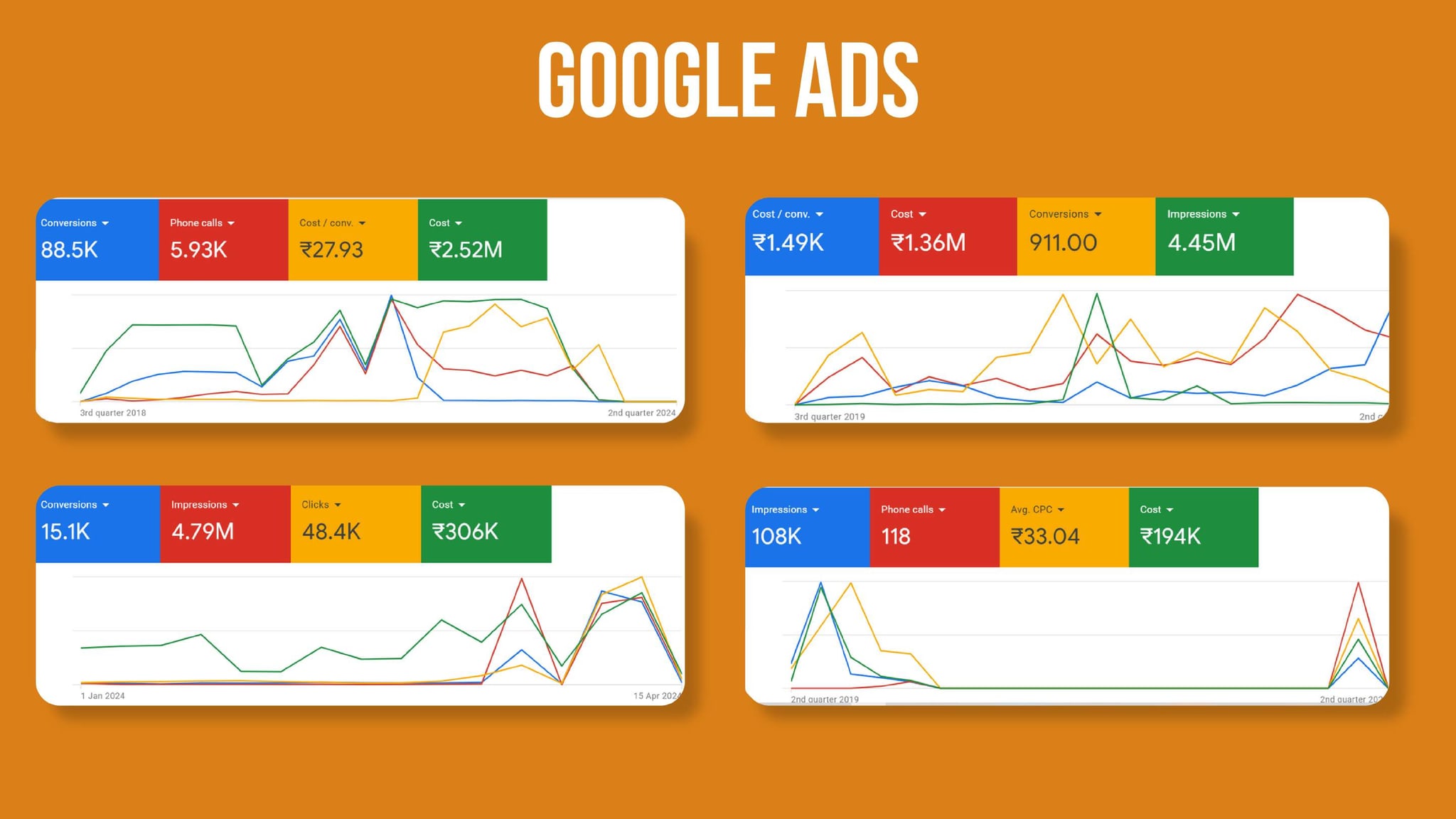
Why PPC (Pay-Per-Click) matters in healthcare marketing
PPC is the only major patient-acquisition channel that bills you for attention rather than promises. You are not paying to "be seen" — you pay the moment a prospective patient is interested enough to click, which makes every dollar trackable back to a booking. For a clinic competing against legacy hospitals that dominate organic search, PPC is the fastest way to appear above them for high-intent queries like "emergency dentist near me" or "knee replacement surgeon," often within hours of launch rather than the months SEO demands.
The flip side is that the auction never sleeps and never forgives sloppiness. Because healthcare keywords are expensive and lightly regulated by Google's own ad policies (no targeting based on sensitive health conditions, restrictions on certain treatments), a poorly structured PPC account burns budget fast. The practices that win treat PPC as a system of intent matching, landing-page relevance, and conversion tracking working together — not just "running some Google ads."
How PPC (Pay-Per-Click) works in practice
You bid in a real-time auction for placement against a specific search query, and you are charged only when someone clicks through to your site.
- Group keywords into tight ad groups by intent (e.g. "Invisalign cost" separate from "Invisalign dentist near me") so each ad and landing page stays relevant.
- Layer match types — broad, phrase, exact — and prune wasteful queries with a disciplined negative-keyword list ("jobs," "free," "school," competitor brand names you do not want).
- Set conversion actions (calls over 60 seconds, form fills, booking-page completions) so the platform optimizes toward booked patients, not raw clicks.
- Use ad extensions (call, location, sitelinks, structured snippets) which lift visibility and click-through at no extra placement cost.
- Schedule ads and adjust bids for the hours and devices when your front desk can actually answer.
A worked example
Imagine a single-location dermatology clinic that allocates 3,000 dollars per month to Google Search ads. They split it into three ad groups — acne treatment, skin cancer screening, and cosmetic Botox — each with its own landing page. Acne queries cost less per click but convert at a lower value, while screening queries cost more yet book patients with higher long-term worth. Because every click is tracked to a booking, after a few weeks the clinic can see which ad group earns its keep and shift budget toward the screenings, all without spending a rupee on people who never clicked.
Frequently asked questions
Is PPC the same as Google Ads?
No. PPC is the pricing model — pay per click — while Google Ads is the most popular platform that uses it. Microsoft Advertising, Meta, and others also run PPC auctions, but Google Search dominates high-intent healthcare queries.
How much should a clinic budget for PPC?
Enough to gather statistically meaningful data, typically a few thousand dollars a month per service line. Budgets too small to generate consistent conversions never give the algorithm or your team enough signal to optimize.
Can healthcare practices advertise any treatment with PPC?
Not all. Google restricts or bans ads for certain treatments and prohibits targeting users based on sensitive health conditions, so campaigns must be structured around search intent and compliant landing pages rather than personal health data.
Related terms
Keep reading: CPC (Cost Per Click), Google Ads, ROAS (Return on Ad Spend). Each connects to PPC (Pay-Per-Click) in a real workflow, not just by category.