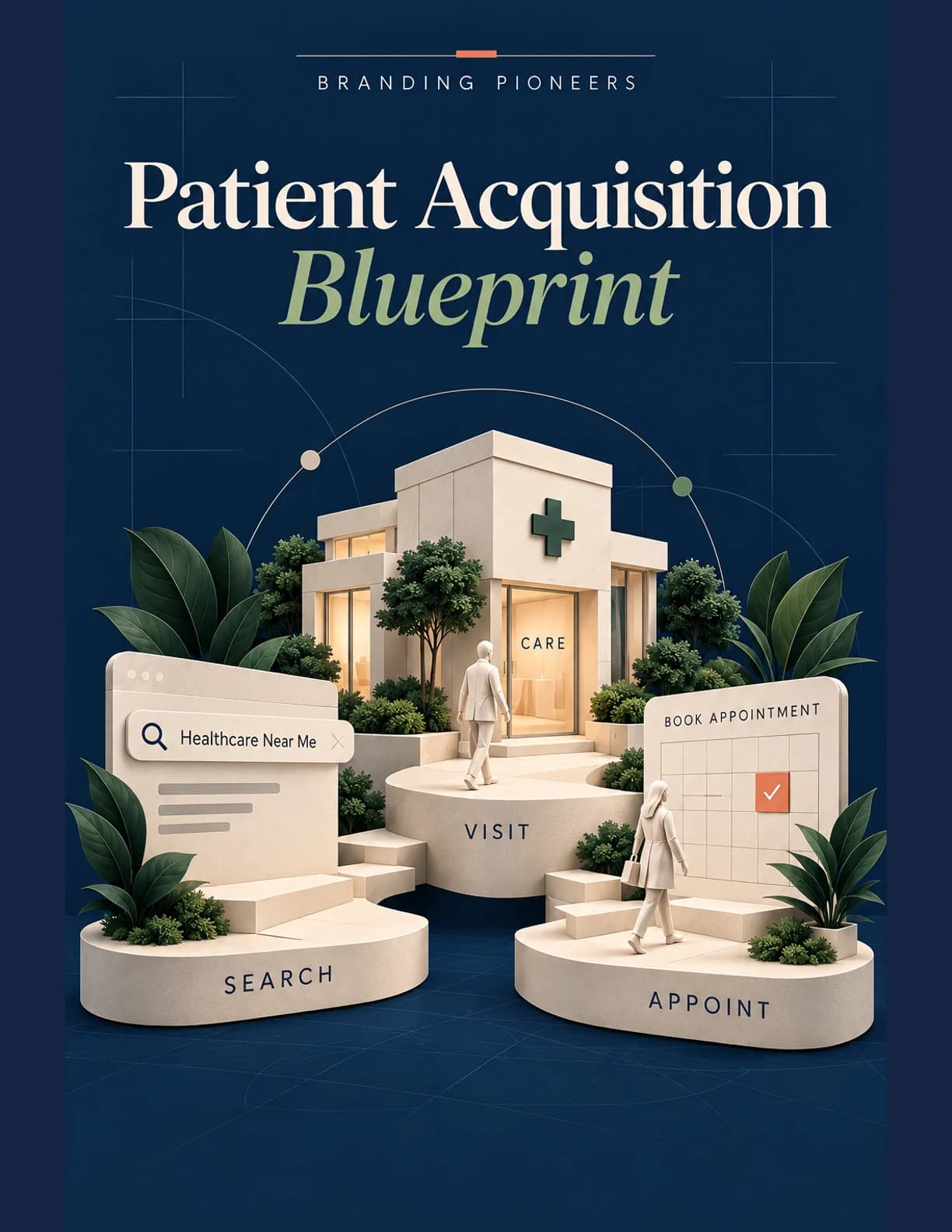

Why White Label Marketing matters in healthcare marketing
White-label marketing is when one agency does the work and another agency puts its own brand on the deliverables and client relationship. In healthcare this is common because the medical vertical is genuinely hard — HIPAA constraints, YMYL content scrutiny, regulated advertising, and specialised conversion knowledge — so generalist agencies that land a hospital or clinic client often lack the in-house expertise to deliver, and they quietly subcontract it to a healthcare specialist who stays invisible.
For the specialist provider, white-labelling is a distribution model: instead of competing for end clients one at a time, you sell capacity and expertise wholesale to many agencies, each bringing their own client book. For the reselling agency, it means offering credible healthcare SEO, PPC, or AI services without hiring a compliance-savvy team. The arrangement only works on trust and discretion — consistent quality, deliverables that match the reseller's branding, and absolute discipline about never breaking cover with the end client.
How White Label Marketing works in practice
White-label delivery separates the doer from the brand the client sees. How it operates:
- The specialist produces work — SEO, PPC, content, automation — unbranded or branded to the reselling agency's identity.
- Reports, dashboards, and sometimes communications carry the reseller's logo, not the specialist's.
- Pricing is wholesale: the specialist charges the agency, the agency marks it up to its client.
- Clear scope, SLAs, and communication boundaries govern who talks to the client and how escalations flow.
- Healthcare adds compliance guardrails — HIPAA-safe handling and YMYL-aware content — that the specialist owns even though they stay anonymous.
A worked example
Imagine a general digital agency that wins a contract with a regional hospital group but has never handled HIPAA-compliant forms or medical YMYL content. Rather than turn the work away, it engages a healthcare-marketing specialist on a white-label basis: the specialist builds the SEO strategy and compliant landing pages, delivers everything under the agency's branding, and never contacts the hospital directly. The agency keeps the client relationship and margin; the hospital gets specialist-grade work; the specialist gets scalable revenue without front-line sales.
Frequently asked questions
Why would a healthcare agency white-label its services?
To scale revenue through other agencies' client books instead of selling to end clients one by one. The reseller gets credible healthcare expertise without hiring it; the specialist gets distribution while staying behind the scenes.
Who handles HIPAA and compliance in a white-label arrangement?
The specialist provider typically owns the compliance expertise — HIPAA-safe data handling and YMYL-aware content — even though deliverables carry the reseller's brand. Clear contracts should define responsibility explicitly.
Does the end client know the work is white-labelled?
Usually not — that's the point. Deliverables and reports carry the reselling agency's branding, and the specialist stays anonymous, which is why discretion and consistent quality are the foundation of the relationship.