
Why Technical SEO matters in healthcare marketing
Technical SEO is the infrastructure layer that determines whether search engines can efficiently crawl, render, and index a healthcare website in the first place — everything else in SEO depends on it. A practice can have brilliant, physician-authored content and a perfectly optimized Business Profile, but if pages load slowly, break on mobile, return errors, or get blocked from indexing, that content never reaches patients. Technical SEO is the unglamorous plumbing that lets all the visible work actually perform: if Google cannot access and understand the site cleanly, even the strongest content and links are wasted.
Healthcare sites tend to accumulate technical debt that makes this discipline especially important. They are often large, with hundreds of service, location, condition, and provider pages that create crawl, duplication, and internal-linking challenges; they handle sensitive information, making HTTPS and security non-negotiable; and the majority of patients now search from phones, so mobile performance and speed directly shape both rankings and whether a stressed patient stays long enough to book. Technical SEO keeps that complexity from quietly degrading visibility.
How Technical SEO works in practice
Technical SEO covers the crawlability, indexability, performance, and security foundations of a site. It is mostly invisible to visitors but central to how search engines treat the site.
- Ensure crawlability and indexing with a clean XML sitemap, a sensible robots.txt, and a logical site architecture
- Serve the site over HTTPS, which is essential for any site handling patient information
- Optimize site speed and Core Web Vitals — loading, interactivity, and visual stability
- Guarantee mobile responsiveness, since Google indexes the mobile version and most patients search on phones
- Fix crawl errors, broken links, redirect chains, and duplicate content that waste crawl budget
- Implement canonical tags and structured data, and resolve indexing conflicts across similar service and location pages
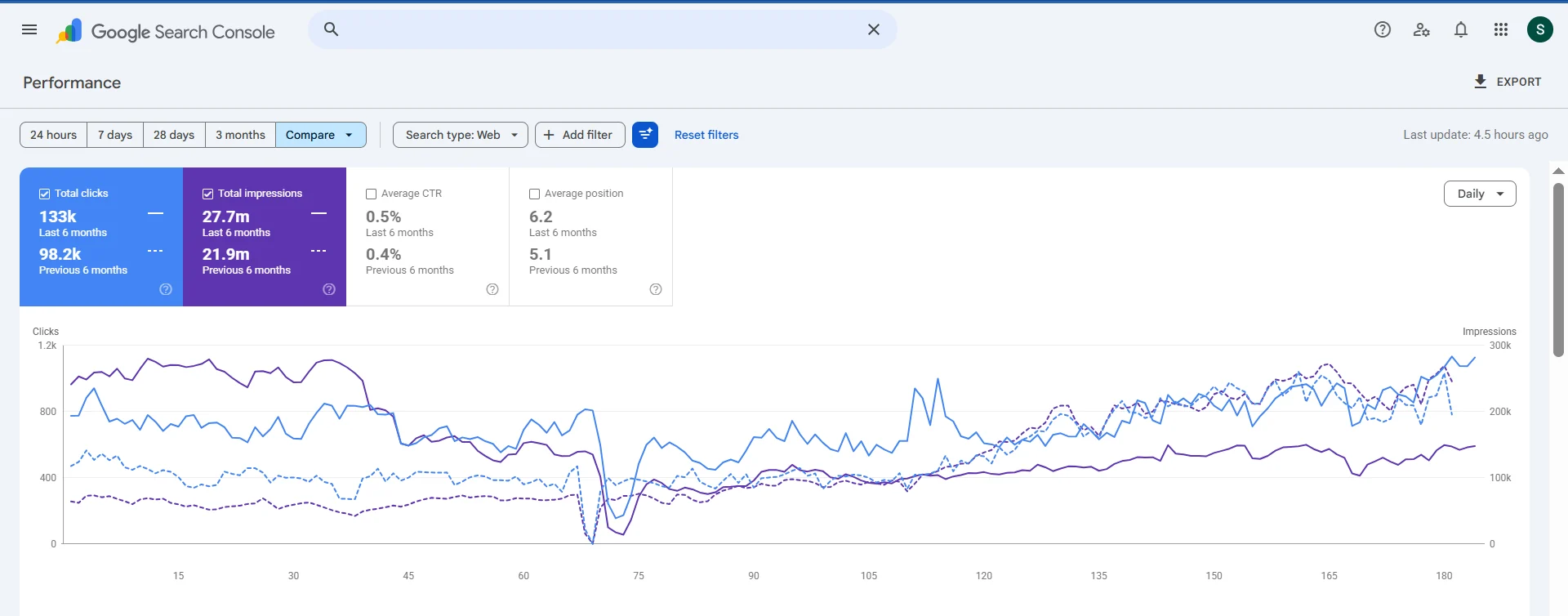
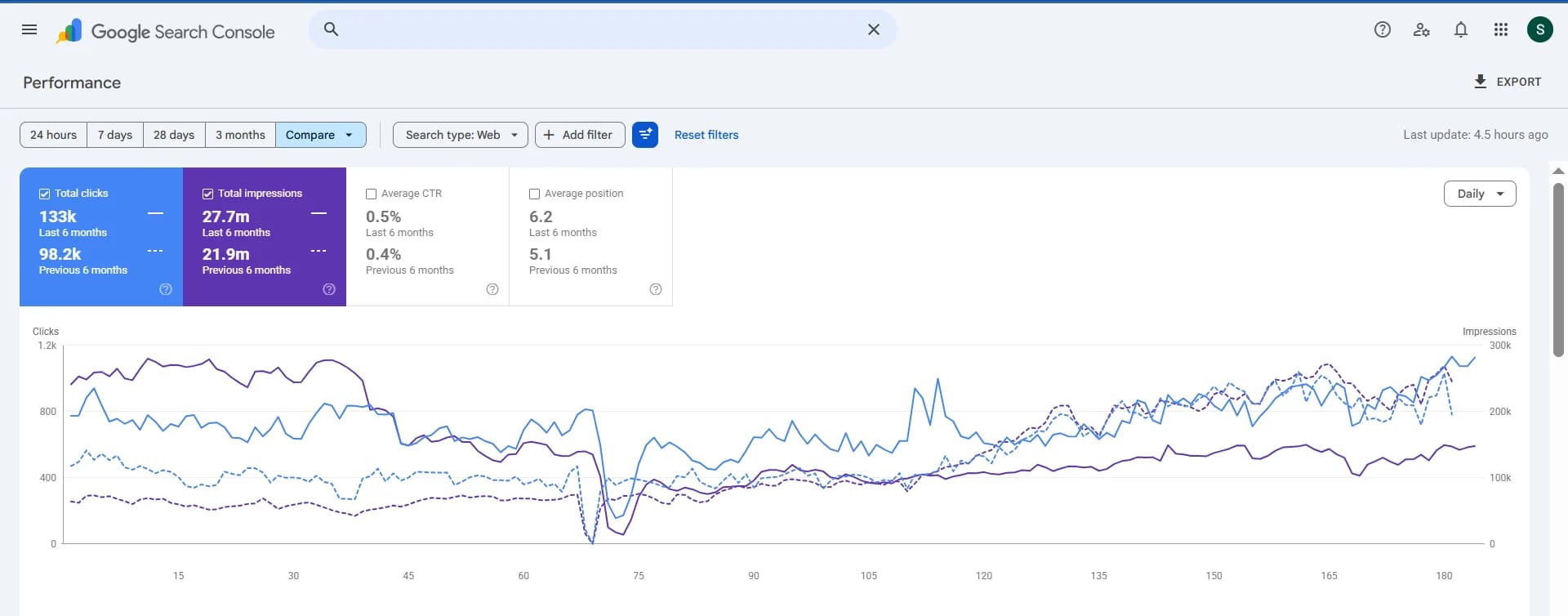
- Use Google Search Console to monitor coverage, errors, and how pages are actually being indexed
A worked example
Imagine a multi-location hospital group whose new content simply was not ranking. A technical audit might reveal that key service pages were unintentionally blocked in robots.txt, several location pages duplicated each other without canonical tags, and the site loaded slowly on mobile. Fixing the crawl directives, adding canonicals to clarify the preferred pages, and improving mobile speed lets search engines properly index the content that was already there — so the existing pages can finally compete.
Frequently asked questions
What is technical SEO?
Technical SEO is the practice of optimizing a website's infrastructure — crawlability, indexing, speed, mobile-friendliness, security, and structured data — so search engines can access, understand, and rank it. It is the foundation the rest of SEO depends on.
Why does technical SEO matter for healthcare websites?
Healthcare sites are often large and handle sensitive data, so issues like blocked pages, duplicate location pages, missing HTTPS, or slow mobile performance can prevent good content from ranking. Technical SEO keeps that complexity from undermining visibility.
What are the most common technical SEO issues?
Frequent problems include slow page speed and poor Core Web Vitals, pages accidentally blocked from indexing, broken links and redirect chains, missing HTTPS, poor mobile responsiveness, and duplicate content without canonical tags.
Related terms
Keep reading: Core Web Vitals, Schema Markup. Each connects to Technical SEO in a real workflow, not just by category.