The diagnosis
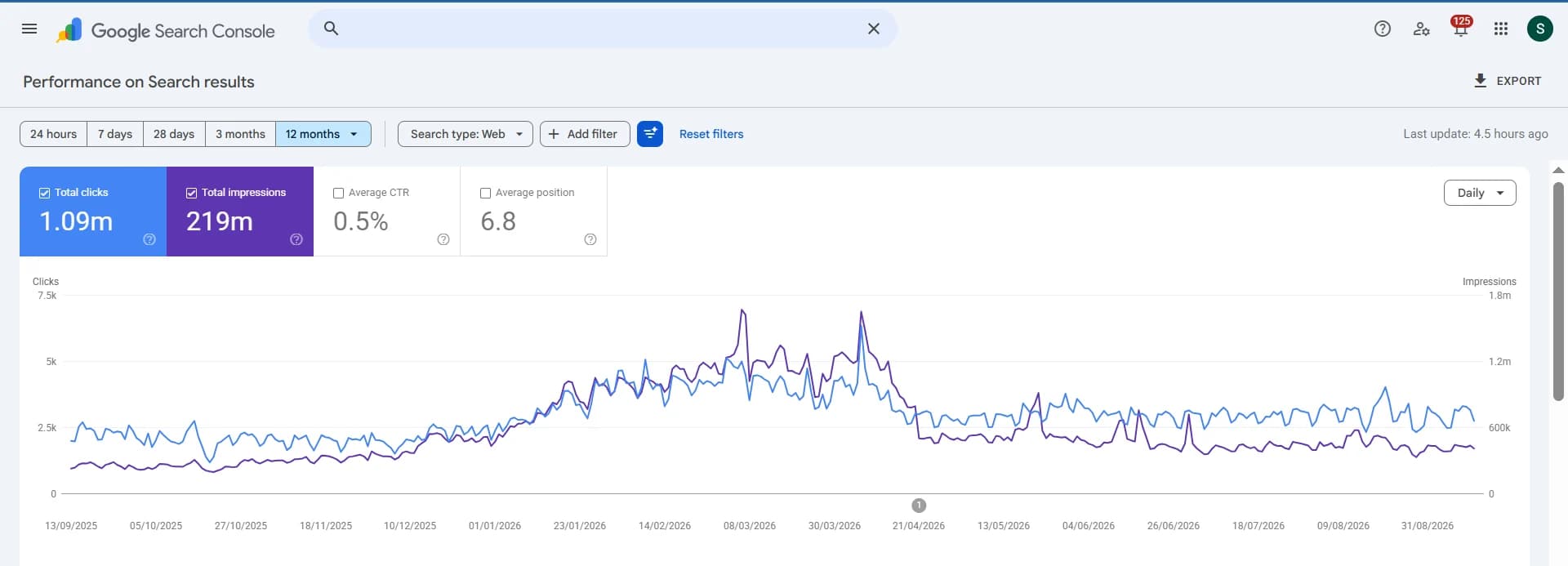
A hospital website that doesn't convert is usually an architecture-and-conversion problem at scale. Hospitals have sprawling content — many departments, doctors, and services — and the site often becomes an org chart patients can't navigate, with no clear path from a specific need to a booking. Add slow load, weak doctor and department pages, no online booking, and inconsistent trust signals, and a large site quietly loses the patients it attracts. The diagnosis is that the site is built around the institution's structure, not the patient's journey.
Root causes
- Architecture mirroring the org chart, not patient needs
- Weak or templated department and doctor pages
- No clear booking or inquiry path from specific pages
- Slow load and poor mobile experience on a heavy site
- Inconsistent trust signals across departments
The fix, in order
- Architect around patient journeys — Structure the site so a patient with a specific need reaches the right department, doctor, and booking action quickly, not through an org-chart maze.
- Build strong department and doctor pages — Give each a genuinely useful, well-structured page with credentials, services, and a clear booking path, not a thin template.
- Embed booking everywhere — Put booking and inquiry actions on department and doctor pages so intent converts where it forms, not only on a buried contact page.
- Optimise performance — Ensure fast load and a strong mobile experience despite the site's size, since slowness costs the most on a heavy hospital site.
- Standardise trust signals — Apply consistent accreditation, credentials, and reassurance cues across all departments so the whole site reads as credible.
What good looks like
- A site navigable by patient need, not org structure
- Strong, useful department and doctor pages
- Booking and inquiry actions on every relevant page
- Fast, mobile-friendly performance at scale
- Consistent trust signals across the whole site
How Branding Pioneers approaches this
We build hospital sites around the patient journey, not the org chart. We architect clear paths from specific needs to the right department, doctor, and booking action, build genuinely useful department and doctor pages, and embed booking where intent forms. Performance and mobile experience are engineered for a heavy site, and trust signals are standardised across departments. It's a different challenge from a clinic site — scale and navigation are the problem — measured in inquiries and bookings under NDA, with HIPAA-appropriate handling built in.
Frequently asked questions
Why do hospital sites convert poorly?
They're often structured like an org chart, so patients can't find their specific need or a booking path. Architecting around patient journeys, with booking on every relevant page, fixes most of it.
Rebuild or improve?
If navigation and performance are fundamentally broken, a restructure usually pays back. If the foundation is sound, targeted fixes to pages, booking paths, and speed can be enough.