The diagnosis
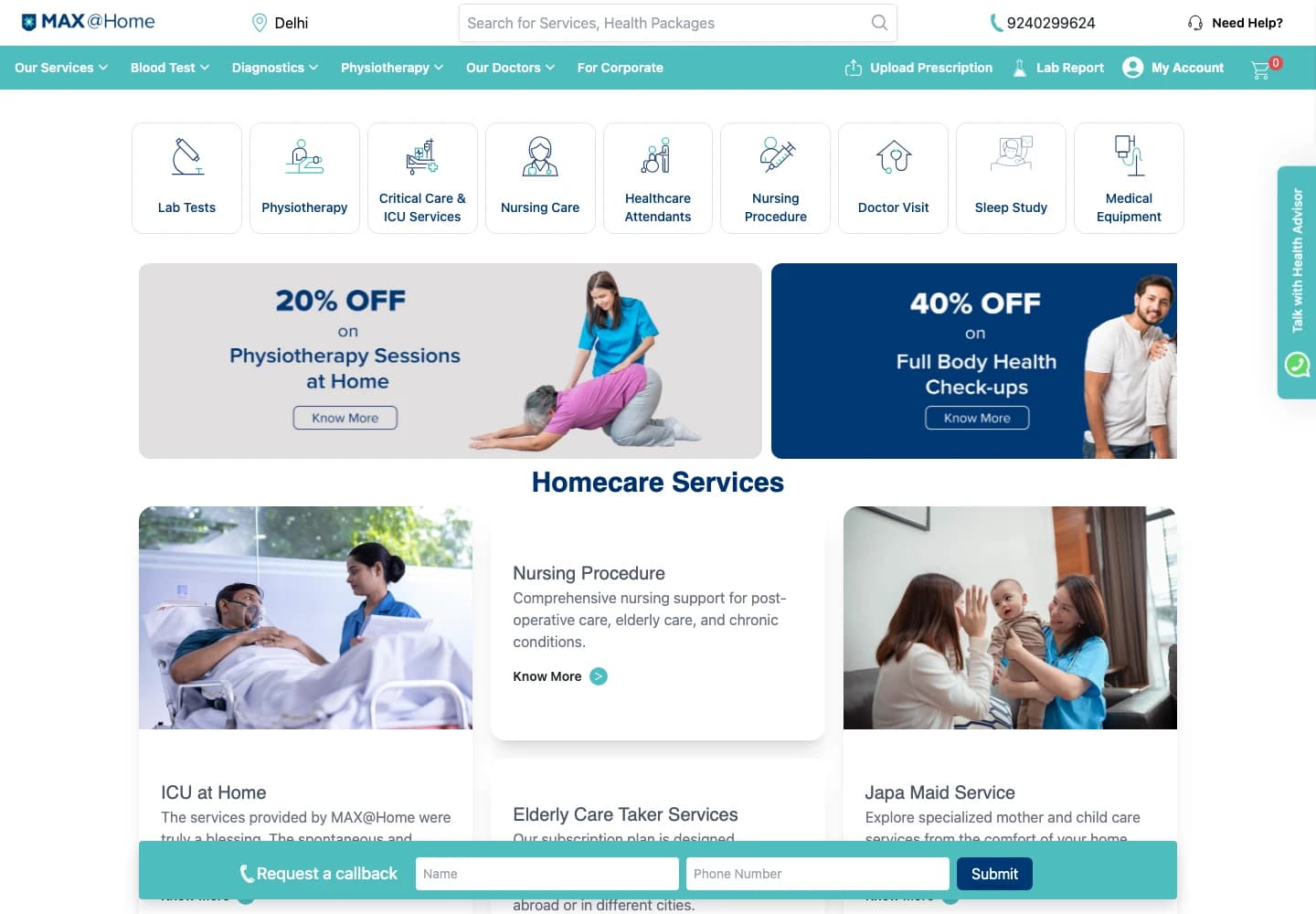
A high bounce rate on a healthcare site usually means a mismatch between what visitors expected and what the page delivered, or a page that's too slow or unclear to engage with. Visitors arrive from search or ads, don't immediately see the answer or action they came for, and leave. The diagnosis is to separate causes: slow load, poor intent match (ranking or bidding for the wrong queries), weak above-the-fold clarity, or a bad mobile experience. Bounce isn't inherently bad — but on high-intent pages it signals lost patients.
Root causes
- Slow load pushing visitors away before the page renders
- Intent mismatch — page doesn't answer the search that brought them
- Weak above-the-fold clarity, so visitors don't see value fast
- Poor mobile experience where most traffic lands
- No clear next action to keep visitors engaged
The fix, in order
- Segment the bounce — Identify which pages and sources bounce most — high-intent pages bouncing matter far more than a blog skim — before fixing broadly.
- Fix page speed — Get load under two seconds, especially on mobile, since slow rendering is a leading cause of immediate exits.
- Match content to intent — Ensure each page directly answers the query that ranks or advertises for it; mismatch sends visitors straight back.
- Strengthen above the fold — Lead with the answer and a clear action so visitors immediately see they're in the right place.
- Add a next step — Give every page a clear action — book, call, read more — so engaged visitors have somewhere to go.
What good looks like
- Bounce understood by page and source, not as one number
- Sub-two-second load on mobile
- Pages that match the intent that brought visitors
- Clear value and action above the fold
- Lower bounce on high-intent pages, with more onward engagement
How Branding Pioneers approaches this
We fix bounce by diagnosing it properly first — segmenting by page and source, because a bouncing high-intent page is a lost patient while a skimmed blog often isn't a problem. Then we address the real causes: page speed, intent match between the search and the page, above-the-fold clarity, and a clear next action. It's a focused engagement diagnostic, measured in bounce on high-intent pages and onward conversion under NDA, not a vanity site-wide number.
Frequently asked questions
Is a high bounce rate always bad?
No — context matters. A bounced informational read can be fine; a bounced procedure or booking page is a lost patient. Segment by page and intent before reacting.
What's the most common cause?
Slow mobile load and intent mismatch — the page doesn't quickly deliver what the search promised. Fixing speed and message match resolves most high-intent bounce.